Cardiac arrest risk and e-cigarette cooling ingredients
Cardiac arrest risk is the main question here: current research suggests that some cooling ingredients used in e-cigarettes may affect heart rhythm, but it does not prove that they cause cardiac arrest in people. The practical takeaway is that these products deserve careful study, and that bystanders still need to know how to respond if someone suddenly collapses.
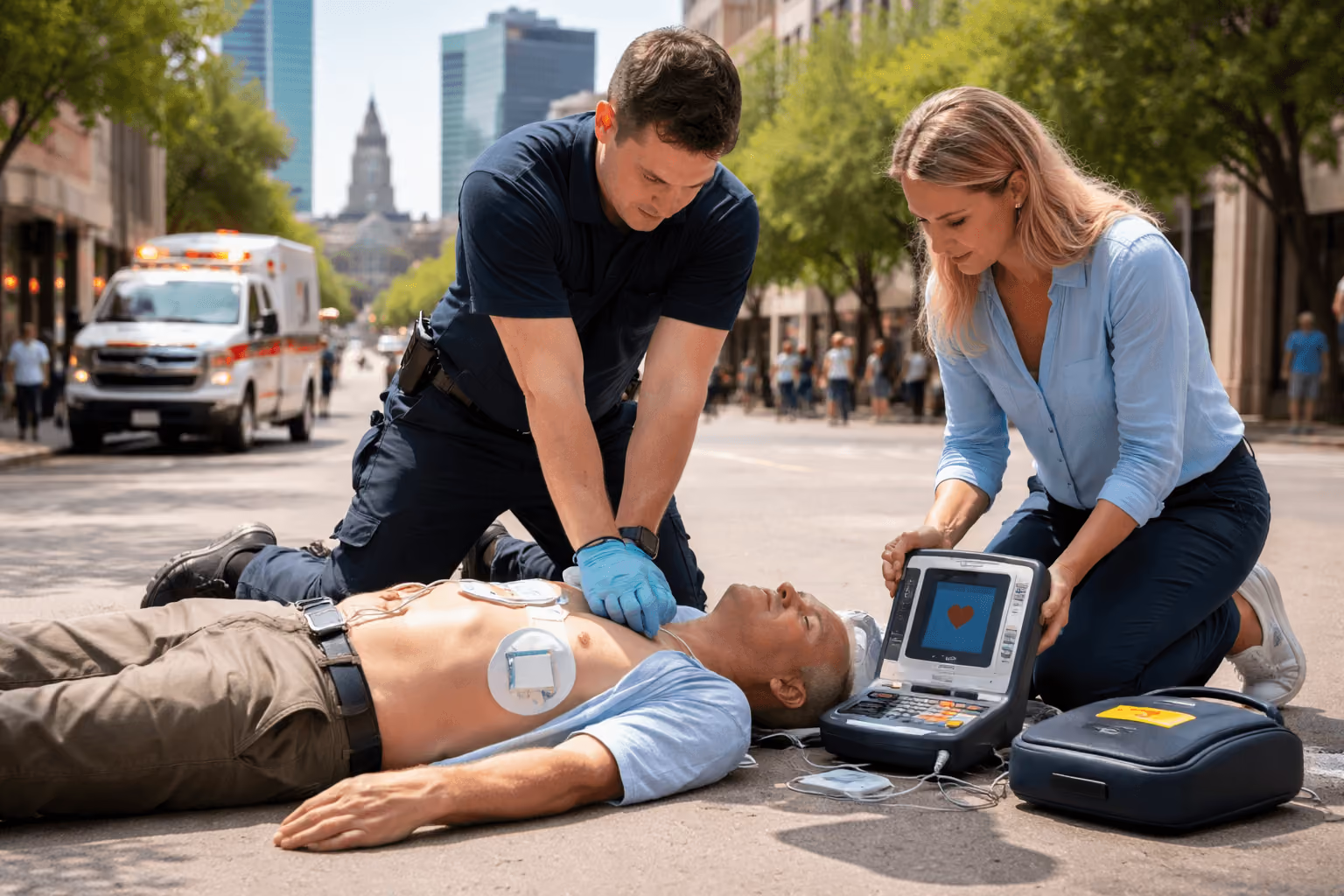
For readers in Jupiter, FL, this topic connects to everyday emergency response. Whether a person is at work, at a gym, or in a public space, the best response to a sudden collapse is to stay calm, get help fast, and be ready to use CPR and an AED if needed.
This article is for general educational purposes only and is not a substitute for professional medical advice, diagnosis, treatment, or certified CPR training. In an emergency, call 911 immediately.
What the research suggests about cardiac arrest risk
The study behind these headlines used mice and lab-grown human heart cells, which is useful for early safety research but not enough to draw final conclusions about people. The results showed abnormal beating patterns after exposure to synthetic cooling ingredients. That kind of finding can raise concern about possible irregular heartbeat effects and broader cardiac arrest risk, but it still needs confirmation in human research.
This matters because lab findings can point scientists toward a possible mechanism without proving real-world harm for every user. That is why it is best to read the study as an early warning sign, not a final verdict. It tells us that ingredient design in vaping products may matter more than many people realize, especially when it comes to the heart.
For a helpful overview of the research topic, see the American Heart Association newsroom page on this study: American Heart Association research summary.
Evidence limits and what readers should do
There are important limits to keep in mind. Animal and cell studies are valuable for identifying possible risks, but they cannot tell us exactly how people will respond in daily life. They also do not measure every factor that may matter in the real world, such as product use patterns, background health conditions, or other exposures.
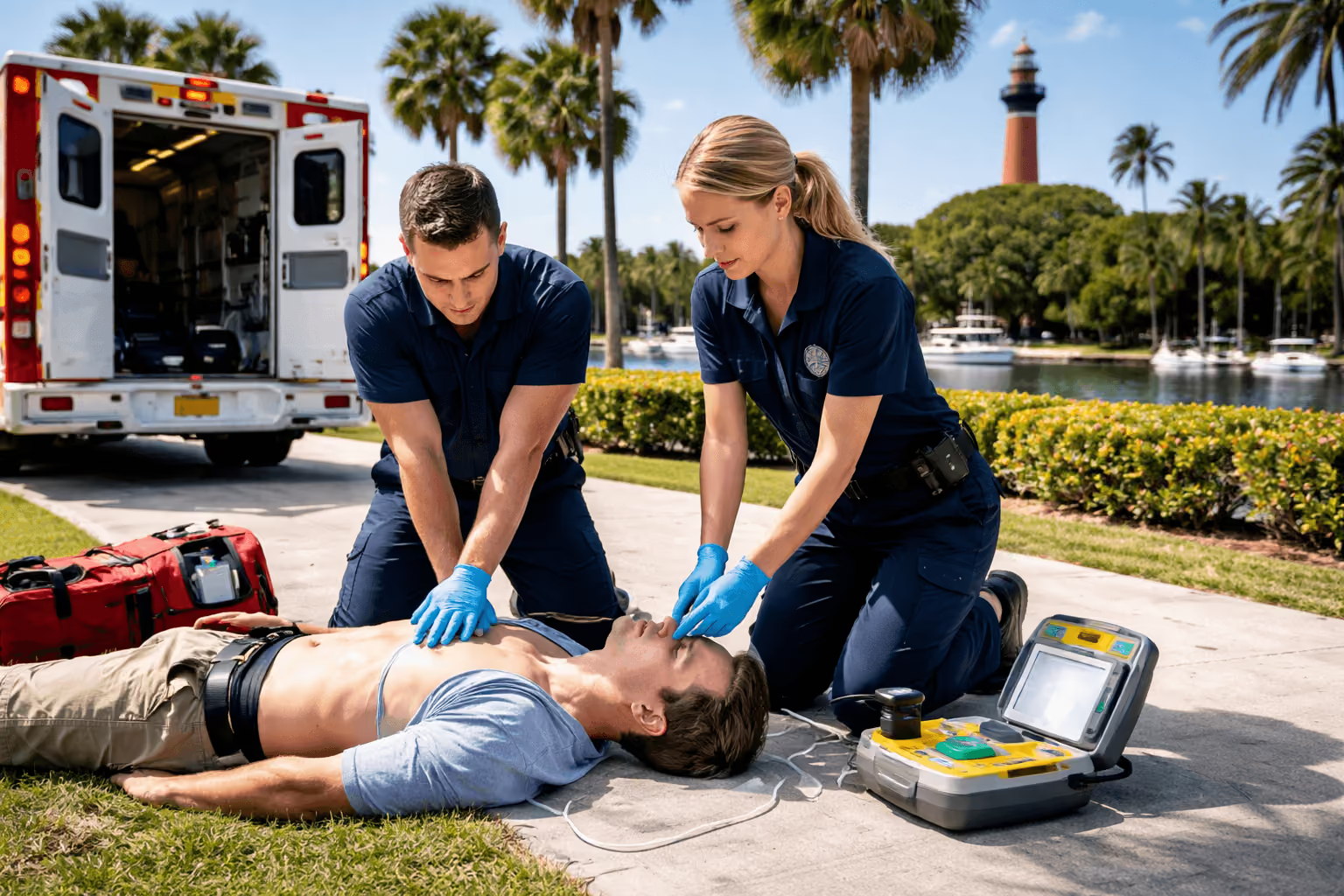
So what should readers do with this information? The most practical step is to treat sudden collapse as an emergency. If a person is unresponsive and not breathing normally, call 911 right away. If you are trained and it is safe to act, begin CPR and use an AED as soon as one is available. If someone feels palpitations, chest discomfort, or severe dizziness, the right move is to seek urgent medical evaluation rather than wait for symptoms to pass. If collapse occurs, emergency response should begin immediately.
Cardiac arrest risk in daily life
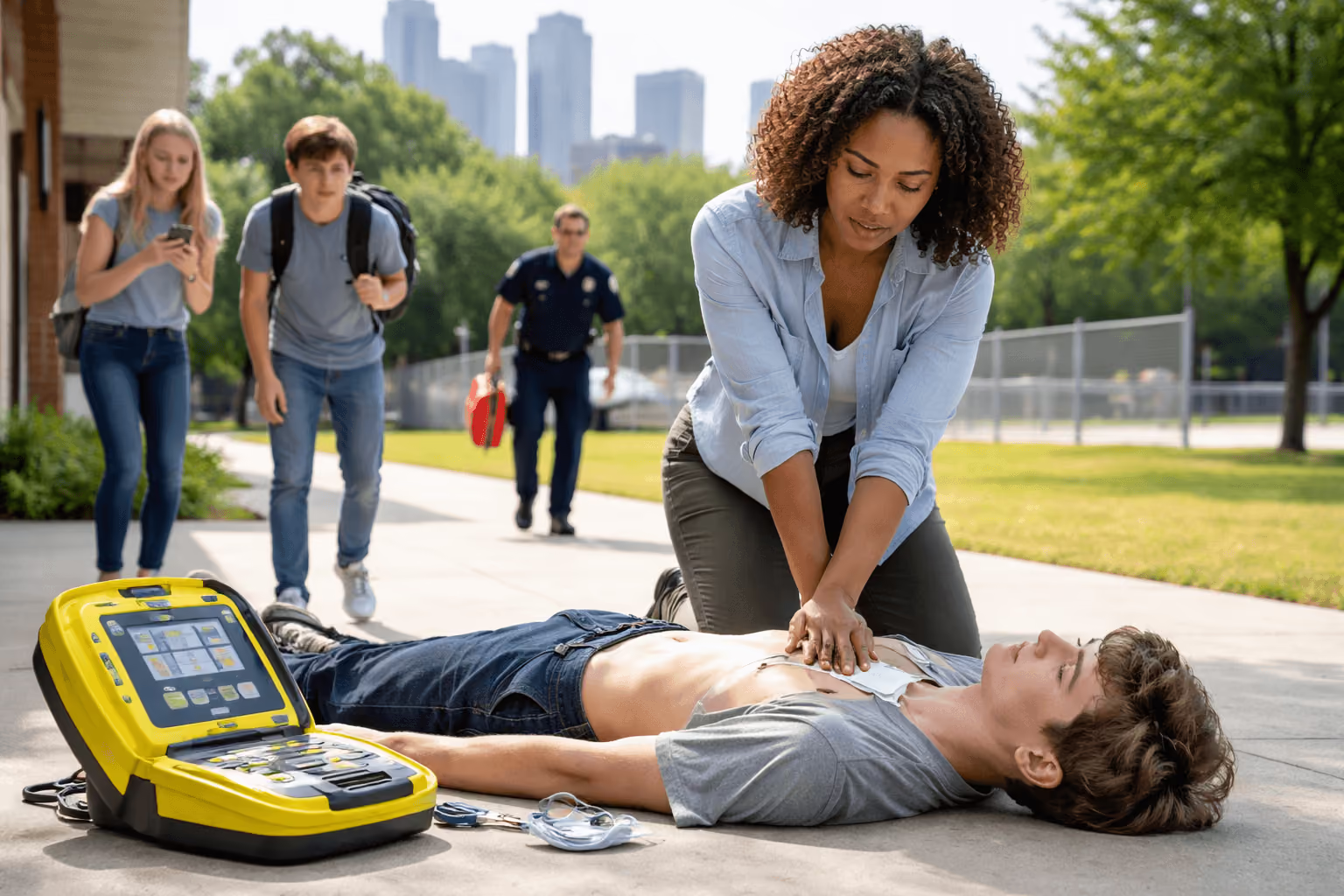
Cardiac arrest risk is not limited to hospitals or high-profile news stories. It can matter in schools, offices, gyms, senior communities, and busy retail spaces. That is why CPR and AED readiness is such a useful skill set for healthcare workers and for anyone who spends time around groups of people.
In a community like Jupiter, FL, practical preparation matters. Local professionals often work across settings where fast response is important: medical offices, childcare centers, fitness facilities, and workplace environments. A person who knows the basics of first aid, CPR, and emergency response can help bridge the gap between the moment of collapse and the arrival of EMS.
Who this information is for
This article is useful for nurses, medical assistants, office staff, teachers, coaches, childcare workers, personal trainers, and caregivers. It is also relevant for residents who want to understand why a product safety headline can lead to a broader discussion about heart rhythm, sudden collapse, and bystander response.
If you manage safety plans for a team or facility, this is a good time to review your AED location, emergency procedures, and training status. If you are due for renewal or want to learn CPR for the first time, a structured course can make the process easier to manage.
Why CPR and AED training still matter
Even when research is early, the response skills are clear. CPR helps maintain circulation during a cardiac emergency, and an AED can provide the next step when a shockable rhythm is present. Those skills do not replace professional care, but they do help stabilize a scene while help is on the way.
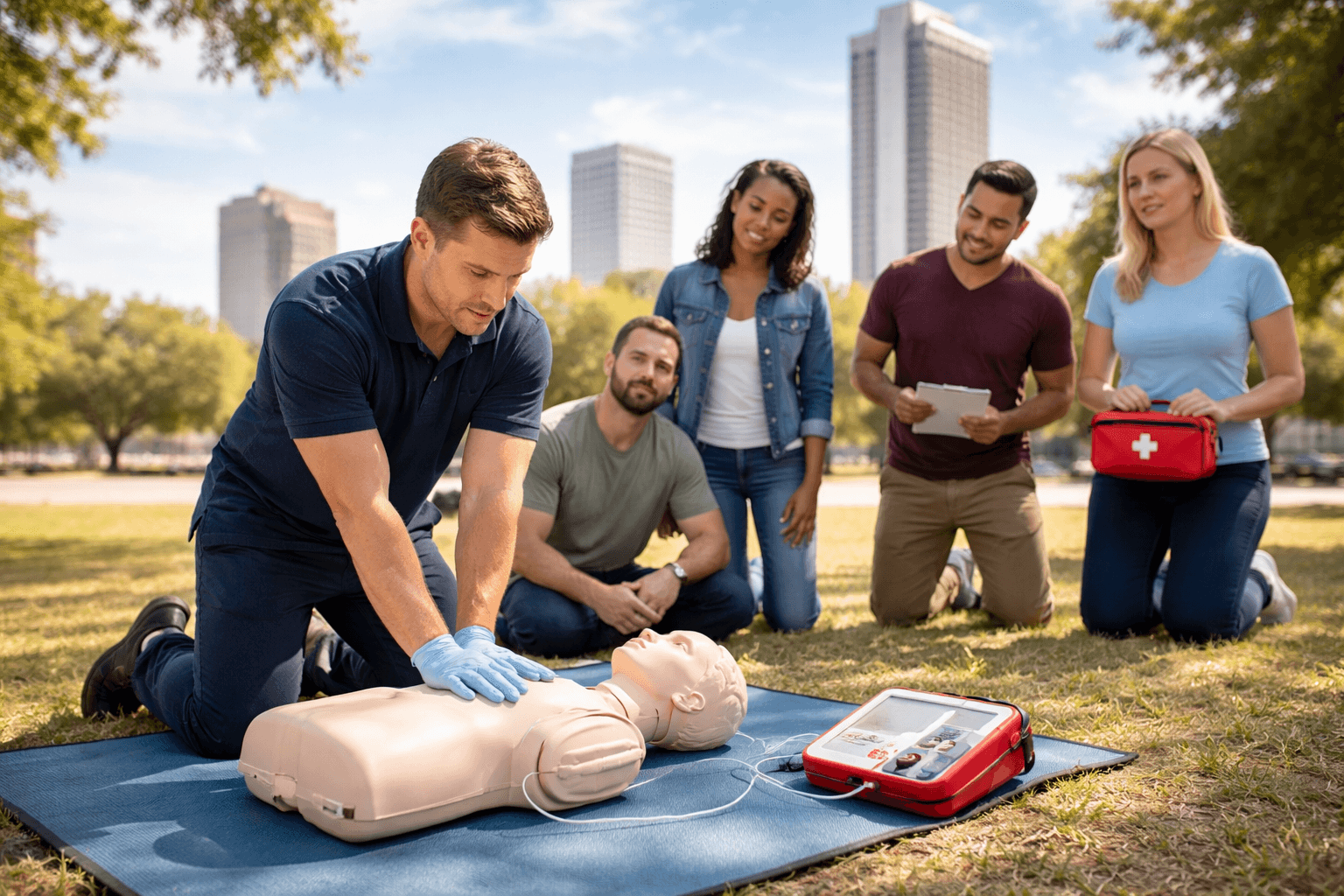
CPR Certification Labs offers a simple training flow for busy adults: 1) schedule online, 2) complete the online course portion, and 3) attend the in-person skills session at the office. That model is designed for people who need flexibility without losing the value of hands-on practice.
Jupiter local context and office access
If you live or work in Jupiter, the local office at 600 Heritage Dr, Suite 210, Jupiter, FL offers a convenient option for skills training. The office hours are 7am - 9pm, 7 days a week, which can be helpful for shift workers and professionals with limited weekday availability.
The location is practical for people coming from nearby workplaces or neighborhoods, and it keeps the skills session close to the community it serves. If you are planning ahead for renewal, workplace requirements, or personal readiness, the Jupiter office page is here: CPR Certification Labs Jupiter office.
Nearby facilities that commonly benefit from CPR and AED readiness include medical offices, fitness centers, schools, daycare settings, and community workspaces. Those are exactly the kinds of places where a confident first responder can make a difference while waiting for EMS.
Simple next steps for readers
- Learn the difference between early research and proven human risk.
- Review where your nearest AED is located.
- Know how to respond if someone collapses and is not breathing normally.
- Keep your CPR training current if you work around the public or in healthcare.
Frequently asked questions
Do cooling ingredients in e-cigarettes prove cardiac arrest risk in people?
No. The current research suggests a possible effect on heart rhythm, but it does not prove that these ingredients cause cardiac arrest in people.
What is the most important emergency step if someone collapses?
Call 911 immediately. If you are trained, start CPR and use an AED as soon as one is available.
Why is this news relevant to CPR training?
Because sudden collapse can happen without warning, and bystanders with CPR and AED skills are often the first link in emergency response.
Where can Jupiter residents get local training?
Residents can use the Jupiter office for a convenient skills session after completing the online course portion.
About our Jupiter office
- Address: 600 Heritage Dr, Suite 210
- Phone: (561) 250-0341
- Email: jupiter@cprcertificationlabs.com
- Hours:
7am - 9pm - 7 Days a Week!