Beaumont overdose response highlights the need for fast action
The recent Beaumont overdose response after a suspected fentanyl overdose is a difficult reminder that minutes matter in any drug-related emergency. When someone is found unresponsive, the first steps taken by bystanders and first responders can shape what happens next, especially when fentanyl may be involved.
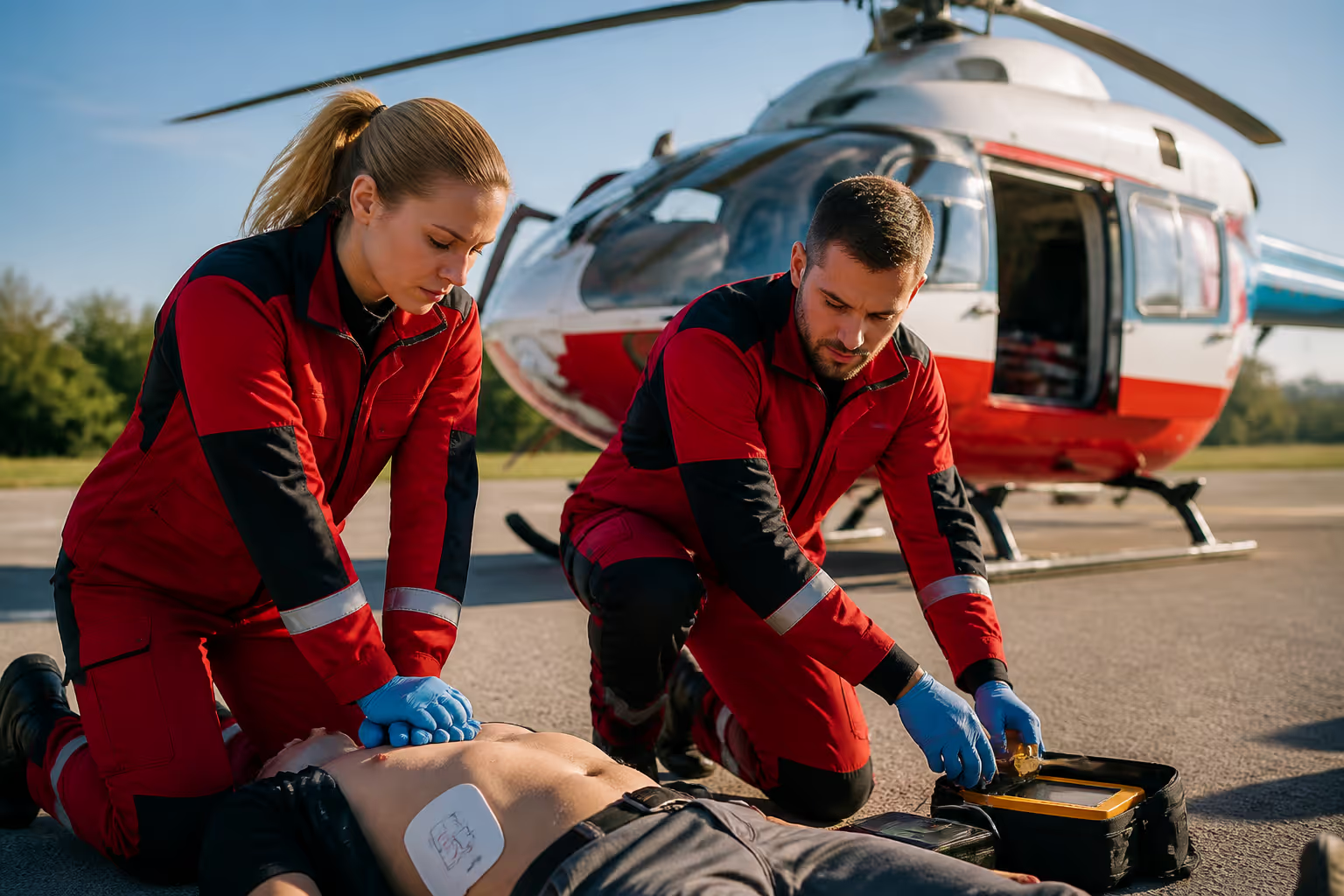
In this case, three men were found unresponsive at a Beaumont home. One was pronounced dead at the scene, and two others were taken to a hospital in critical condition. Officers on scene used Narcan on two of the men and an AED on the third as emergency crews worked to stabilize them.
What this means for emergency response in Beaumont
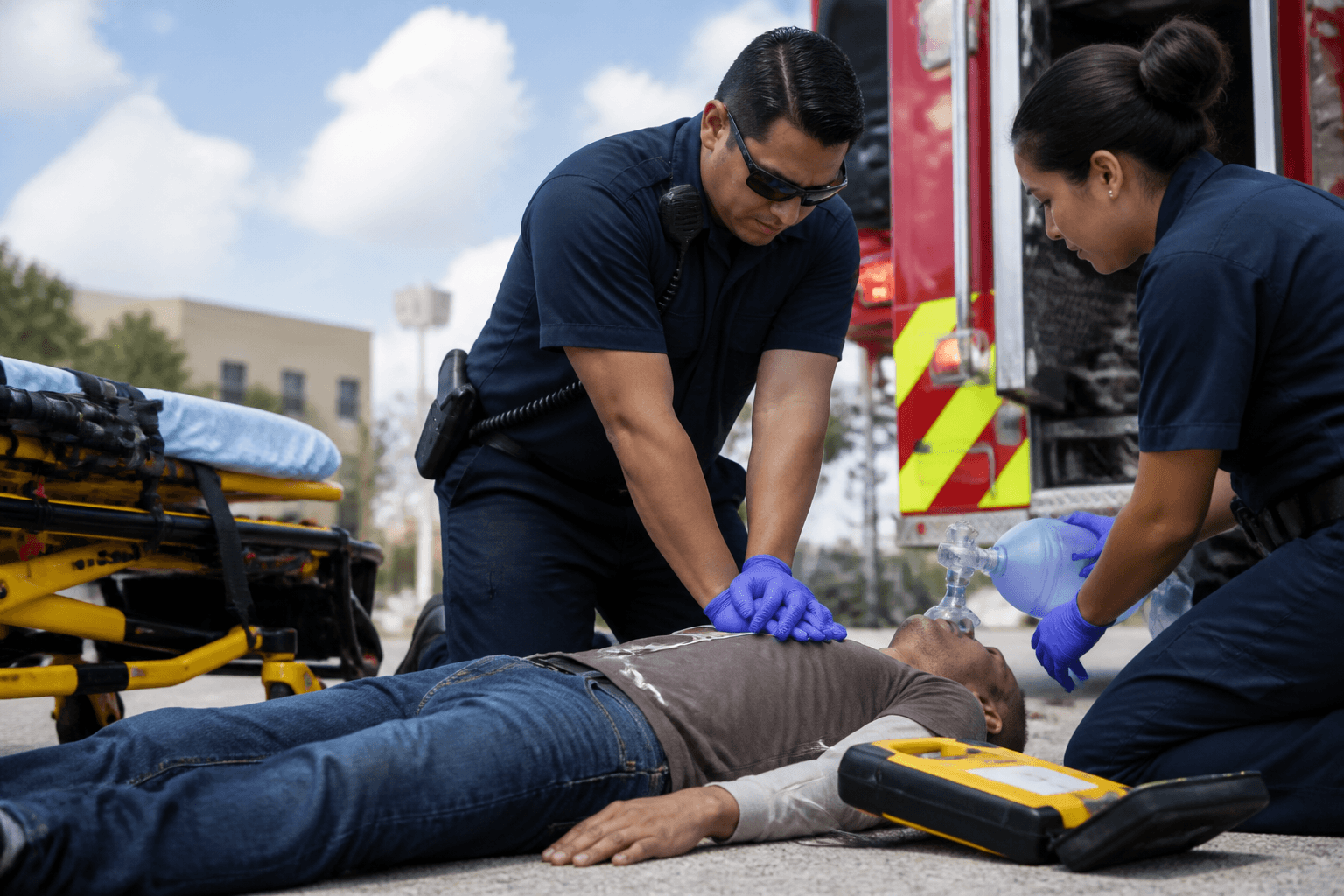
Suspected fentanyl exposure is especially dangerous because it can cause severe breathing problems, loss of consciousness, and cardiac arrest. That is why a coordinated emergency response may include naloxone, CPR, and AED use. Each tool serves a different purpose: Narcan can help reverse an opioid overdose, CPR can support circulation when breathing or a pulse is absent, and an AED can guide care if the heart is in a shockable rhythm.
For people in Beaumont and nearby Southeast Texas communities, this incident shows why overdose awareness is not only a law enforcement issue. It is also a public safety issue that affects families, workplaces, schools, and neighborhoods.
Why fentanyl makes overdoses harder to predict
Authorities said the men may have taken counterfeit pills that were contaminated with fentanyl. That is a common danger because fake pills can look like legitimate prescription medication while containing a far more powerful drug. Even a small amount can cause a life-threatening emergency.
That is one reason CPR and first aid education matters. People often assume an overdose emergency is only about medication, but respiratory collapse can quickly become a cardiac emergency. If a person is not breathing normally, is turning blue, or cannot be awakened, call 911 right away.
What to do while waiting for help
If you suspect an overdose, stay calm and focus on immediate action. A basic emergency response plan can include the following steps:
- Call 911 immediately and tell dispatchers the person is unresponsive.
- Give Narcan if it is available and you know how to use it.
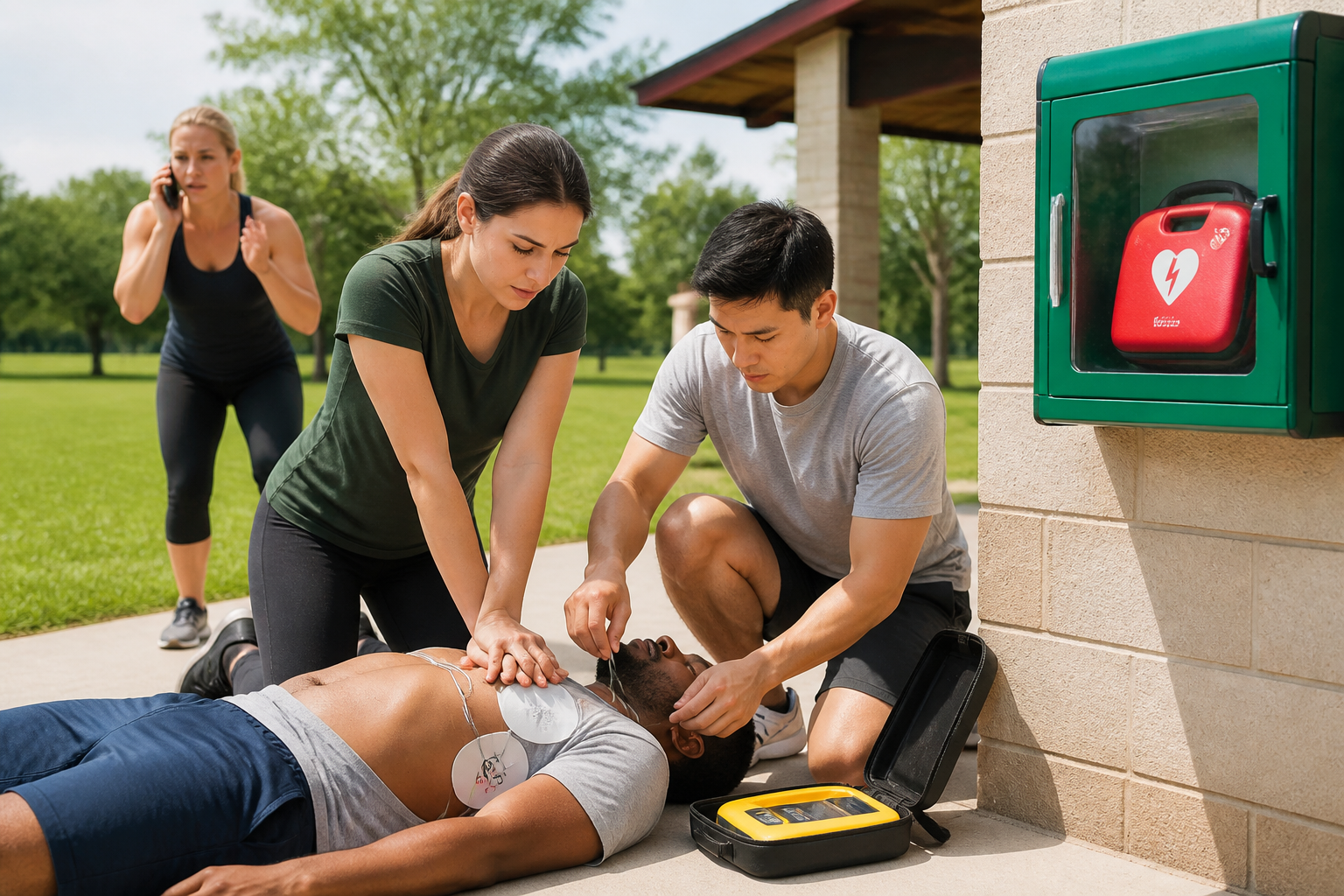
- Start CPR if the person is not breathing normally and has no signs of life.
- Use an AED if one is available and the device instructs you to do so.
- Stay with the person until emergency responders arrive.
Every second counts. Even when Narcan is used, the person may still need CPR, oxygen, or advanced care from paramedics and hospital staff.
Who should pay attention to this Beaumont overdose response
This story is important for healthcare workers, school staff, security teams, workplace supervisors, parents, and community members who want to be ready for an overdose emergency. It also matters for anyone who may be first on the scene before EMTs arrive.
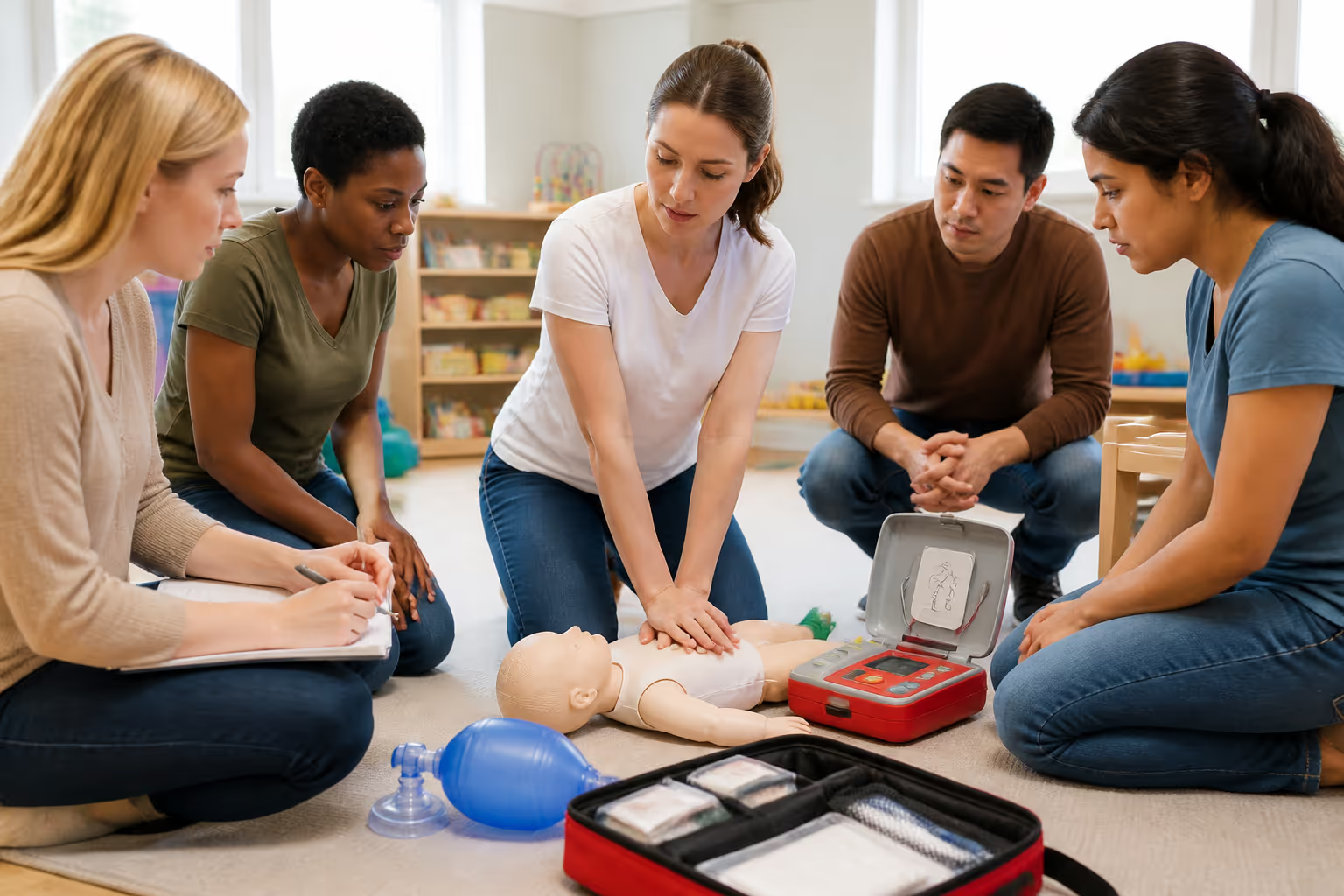
CPR and AED training can help people respond with more confidence in a crisis. In the Houston area, training options are available for individuals and organizations that want practical instruction in lifesaving response skills. CPR Certification Labs serves learners who need clear, workplace-ready education and can support those looking for a nearby office through North Houston office.
Benefits of CPR, AED, and first aid training
Training does not replace emergency professionals, but it can improve readiness in the critical minutes before they arrive. A good course can help participants understand how to recognize a collapse, check for breathing, use an AED, and coordinate with dispatchers while waiting for help.
For suspected fentanyl incidents, training is especially valuable because symptoms can progress quickly. A person may look sleepy, then suddenly become unresponsive. Knowing how to respond can make a real difference.
This article is for general educational purposes only and is not a substitute for professional medical advice, diagnosis, treatment, or certified CPR training. In an emergency, call 911 immediately.
Local relevance for Beaumont and Southeast Texas
Beaumont residents live in a region where emergency response readiness matters in homes, public spaces, and workplaces. Whether the concern is an overdose, a choking incident, or sudden cardiac arrest, the right training can help people act sooner and more effectively.
Nearby facilities such as hospitals, fire departments, and EMS teams handle the advanced side of care, but community members are often the first link in the chain of survival. That is why CPR, first aid, and AED awareness should be part of everyday preparedness.
Why this matters now
The Beaumont overdose response is a reminder that suspected fentanyl exposure can turn deadly fast. Narcan, CPR, and an AED may all be part of the response depending on the situation. Learning how these tools work and when to use them can help more people support a life-saving chain of care.
If you are ready to build those skills, consider professional training that covers CPR, AED use, and emergency response fundamentals.
About our Beaumont office
- Address: 1110 Calder St, Suite 138
- Phone: (409) 245-7308
- Email: beaumont@cprcertificationlabs.com
- Hours:
6am - 12am - 7 Days a Week!