Austin EMS transport and the role of air medical care
Austin EMS transport is a key part of emergency care in Central Texas, especially when a patient needs faster access to advanced treatment than ground transport alone can provide. In the Cedar Creek area, the latest PHI Air Medical update adds another layer of support for cardiac, respiratory, and trauma-related emergencies.
For people living and working in the Austin region, this is more than a transportation update. It highlights how CPR, AED use, first aid, and coordinated emergency response work together before a patient ever reaches the hospital.
What the PHI Air Medical Cedar Creek update adds
The Cedar Creek base now offers advanced care during flight for critically ill patients and includes no out-of-pocket pickups. That detail matters because it can reduce financial stress during an already difficult emergency and make the transport option easier to understand for patients and families.
Just as important, the update gives the region another route for moving patients who need close monitoring, specialized support, or a faster transfer to a higher level of care. In a large and growing area like Central Texas, that flexibility can help emergency teams match the transport method to the patient’s condition and location.
Air medical service is not a replacement for local EMS. It is a complement to the system, especially when distance, traffic, or clinical complexity makes a helicopter transfer more practical.
Why Austin EMS transport depends on early action
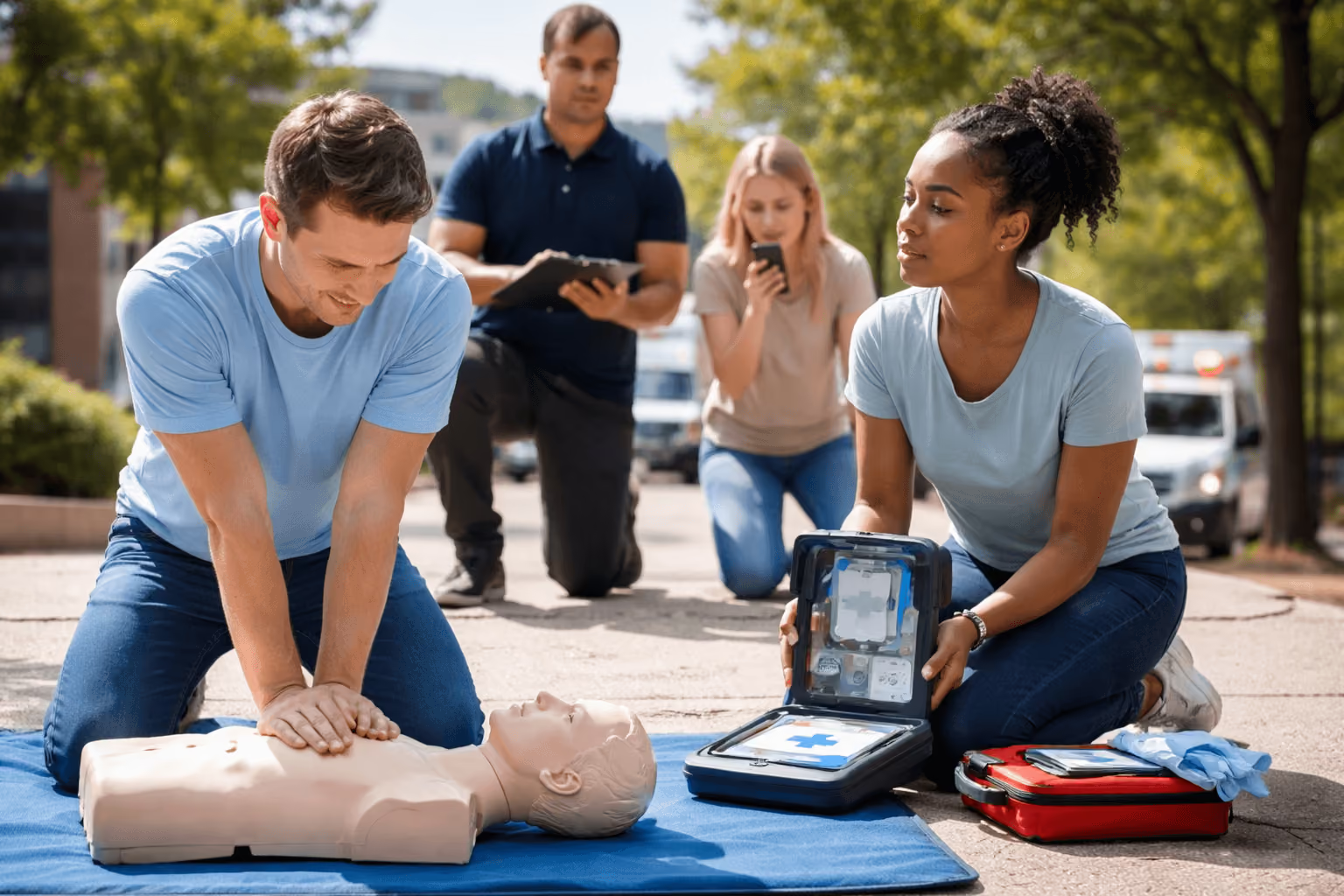
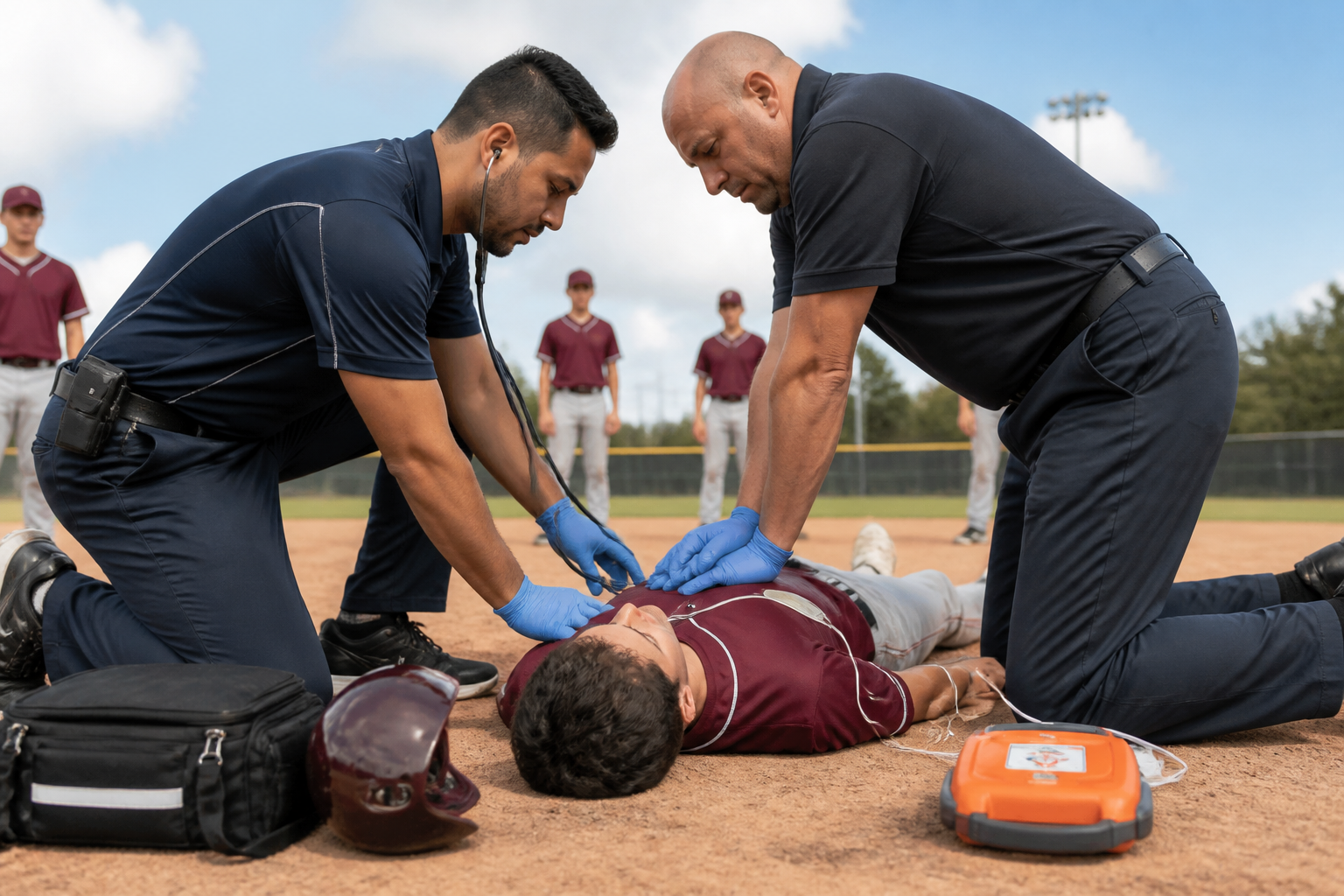
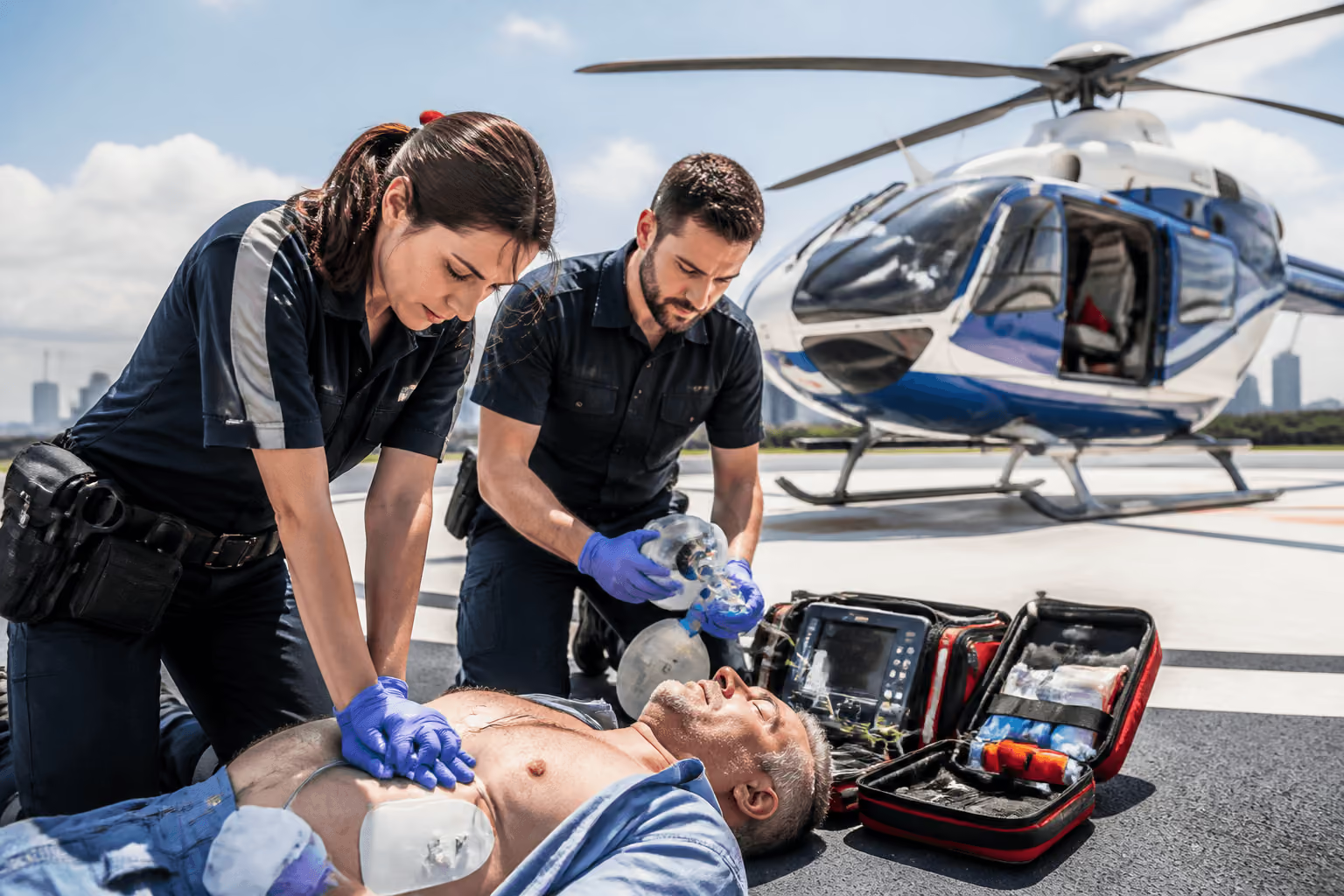
When someone collapses or stops breathing normally, the outcome often depends on what happens in the first minutes. The most important steps are simple: recognize the emergency, call 911, and start CPR if the person is unresponsive and not breathing normally.
If an AED is nearby, turn it on and follow the voice prompts. Early defibrillation is a major part of sudden cardiac arrest response, and it can be especially valuable before EMS or air medical teams arrive. Clear, calm action helps create a strong handoff from the scene to advanced care.
This article is for general educational purposes only and is not a substitute for professional medical advice, diagnosis, treatment, or certified CPR training. In an emergency, call 911 immediately.
How no out-of-pocket pickups can help families and patients
The no out-of-pocket pickup feature is notable because emergency transport can already be stressful without added uncertainty about immediate personal expense. While coverage details can vary by situation and insurance plan, the update signals an effort to make access to critical transport clearer for the community.
For patients, families, and healthcare workers, that can remove one more barrier during a time-sensitive event. It also helps reinforce that emergency planning is not only about medical readiness, but also about knowing what resources are available when transport becomes necessary.
Who should pay attention to Austin EMS transport updates
Healthcare professionals, EMS crews, nurses, medical assistants, teachers, coaches, parents, and workplace safety teams all benefit from understanding Austin EMS transport options. Emergencies happen at home, at work, on the road, and at public events, and the first person to respond is often a bystander or coworker.
Anyone responsible for safety should know how to identify cardiac arrest, severe breathing distress, choking, major bleeding, or sudden collapse. Training in CPR, AED use, and first aid helps people respond with purpose while waiting for professional emergency response.
Emergency response lessons from air medical transport
Air medical care reinforces a simple point: advanced transport works best when the scene response is strong. That means checking for responsiveness, activating emergency services quickly, and starting CPR when indicated. It also means using the AED as soon as it is available and keeping the area clear for responders.
These early actions are not repeated steps; they are the foundation of the response. A calm, trained bystander can stabilize the situation long enough for EMS, air medical crews, and hospital teams to take over with the right information and timing.
For those looking to strengthen their skills, CPR Certification Labs offers training that supports practical emergency readiness. You can also review our Round Rock - Pflugerville office page for local class information.
Local relevance for Austin, Cedar Creek, and nearby communities
As Central Texas continues to grow, so does the need for dependable emergency transport. Austin, Cedar Creek, Bastrop County, and surrounding communities all depend on a system that can handle both ground and air response when patients need rapid care.
That is why the PHI Air Medical Cedar Creek update is worth attention across the region. It adds another option for emergency transport while reminding the public that the earliest actions still happen at the scene, not in the aircraft.
Nearby care settings and public spaces can become the starting point for an emergency: workplaces, neighborhoods, roadsides, gyms, and community events all rely on people who can recognize trouble and act quickly. Preparedness is local, even when the transport destination is regional.
Why CPR training matters even with advanced transport available
Even the best transport system cannot help until someone recognizes the emergency and starts the chain of response. CPR keeps blood moving during cardiac arrest. AED use can help restore a shockable rhythm in some cases. First aid can help manage bleeding, assist with breathing issues, and support a person until EMS arrives.
That is why CPR, BLS, and ACLS training continue to matter for both clinical and nonclinical learners. A trained responder improves the chance of a timely, coordinated handoff from the scene to Austin EMS transport or air medical care.
If you are in the Austin area and want training that is practical and locally accessible, learn more through our Austin South office page.
Train for emergency response in the Austin area
Understanding Austin EMS transport helps you see how emergency systems support the community, but training is what prepares you to act before transport begins. CPR Certification Labs offers courses for healthcare professionals and other learners who want clear, hands-on instruction in CPR, AED use, first aid, BLS, and ACLS.
In an emergency, the best outcomes often start with simple decisions made early: call 911, start CPR when appropriate, use an AED if available, and wait for trained responders to continue care.
FAQ
What does no out-of-pocket pickup mean?
In this context, it refers to a transport option designed so patients do not pay out of pocket at the time of pickup, though coverage details can vary.
When should I call 911?
Call 911 right away for unresponsiveness, abnormal breathing, chest pain with collapse, severe bleeding, choking, or any life-threatening emergency.
Does air medical transport replace CPR?
No. CPR and AED use are early response steps that help support the patient until EMS or air medical crews take over.
Who benefits from CPR training?
Healthcare professionals, caregivers, teachers, coaches, office staff, and anyone who may need to respond to a sudden emergency can benefit from training.
About our Round Rock - Pflugerville office
- Address: 821 Grand Ave Pkwy, Suite 401E
- Phone: (737) 259-5405
- Email: pflugerville@cprcertificationlabs.com
- Hours:
6am - 12am - 7 Days a Week!