AED rescue in Benbrook: why this story matters
An AED rescue in Benbrook is a reminder that sudden cardiac emergencies can happen without warning, including in schools, gyms, and community spaces. A recent case involving a 15-year-old student who was revived with an AED more than once shows how important preparation, CPR, and quick emergency response can be when every second counts.
The most important lesson is simple: when a person collapses and does not respond normally, trained bystanders and school staff may be the first link in the chain of survival. That response can help buy time until EMS arrives.
What happened and what it teaches
In the reported incident, a teenager with a known heart condition collapsed at school and needed defibrillation. Staff were ready because the campus had already taken steps to build a cardiac emergency plan. The AED was used quickly, and that rapid response helped revive him. The story is especially striking because it was not the first time the device had played that role in his life.
For communities in and around Benbrook, the message is not about drama. It is about readiness. A well-placed AED, trained personnel, and a clear response plan can make a serious difference during a cardiac arrest event.
CPR, AED, and emergency response basics
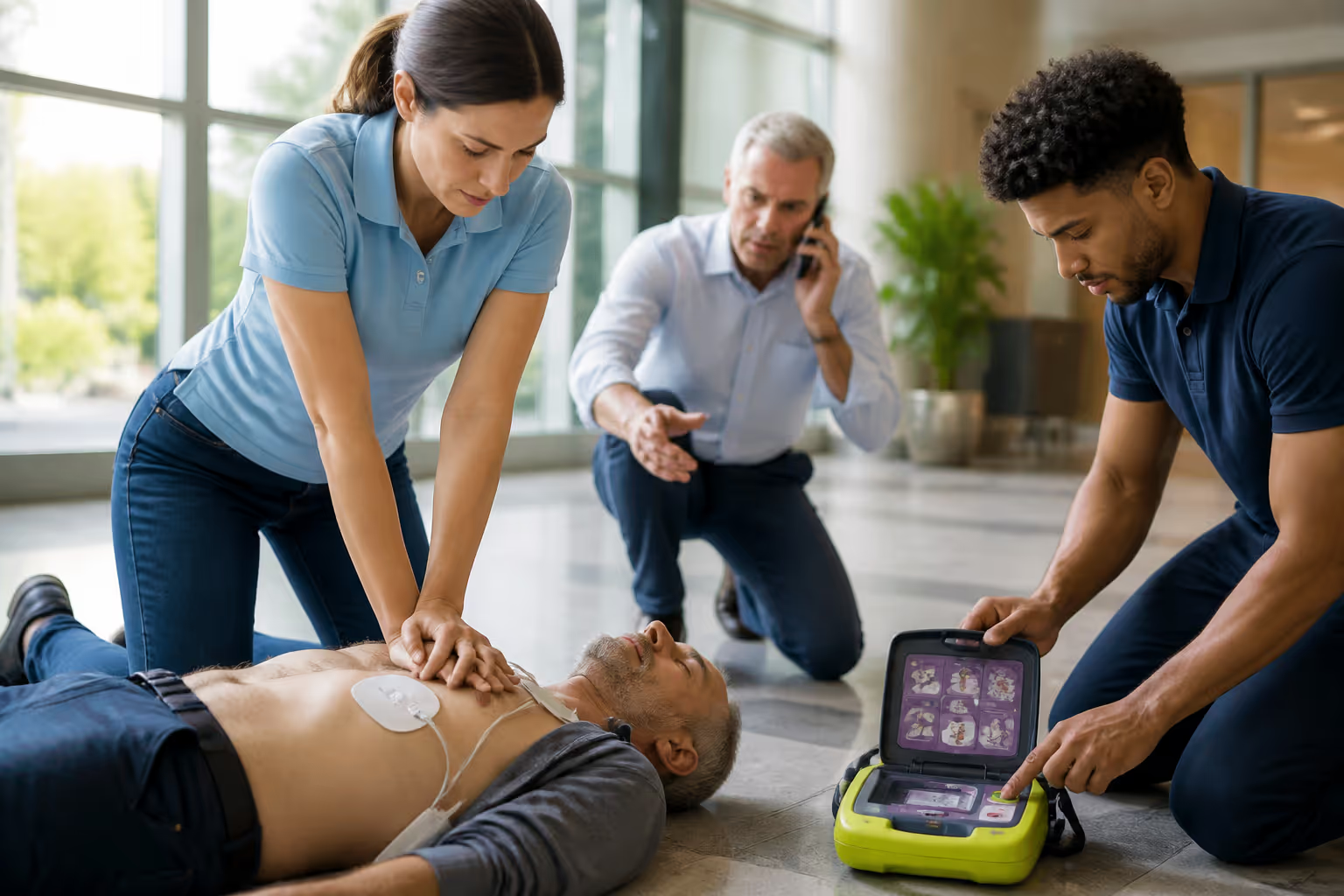
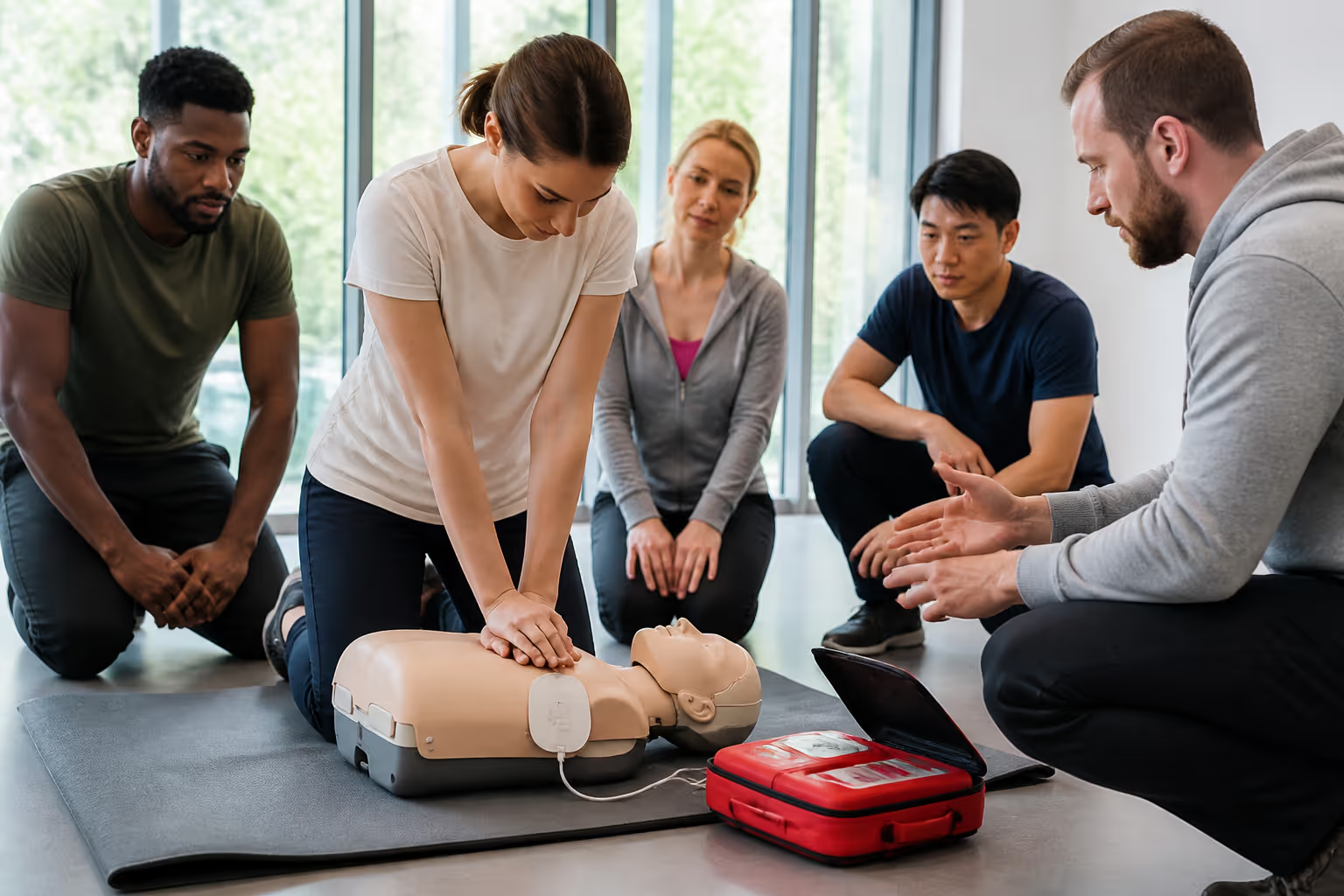
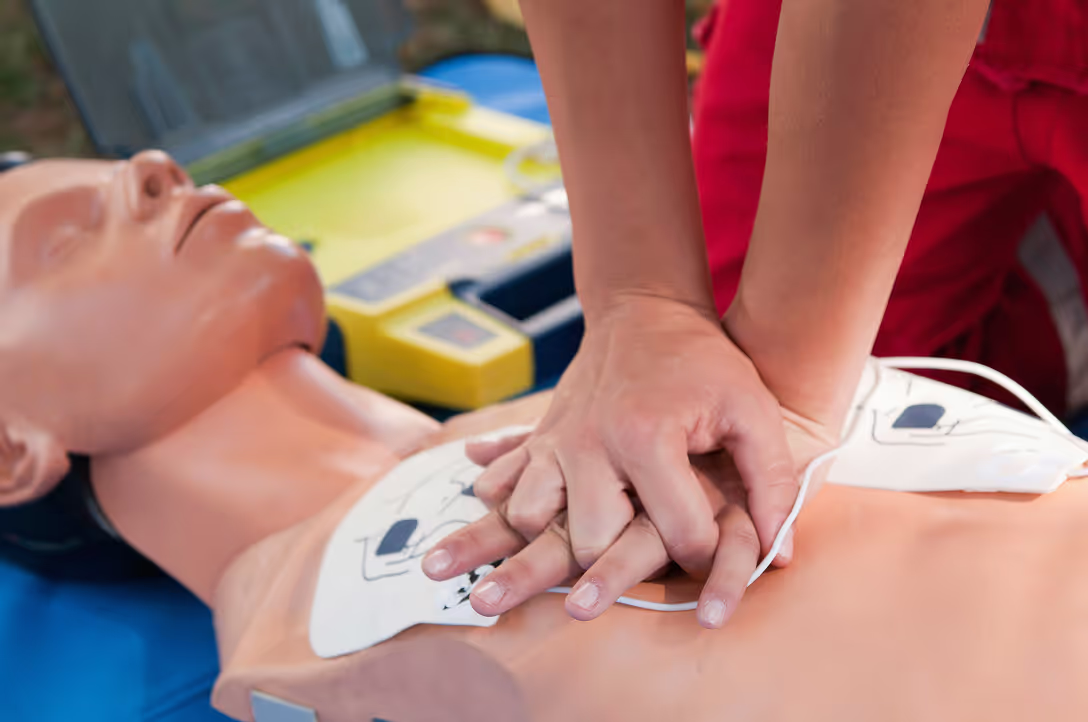
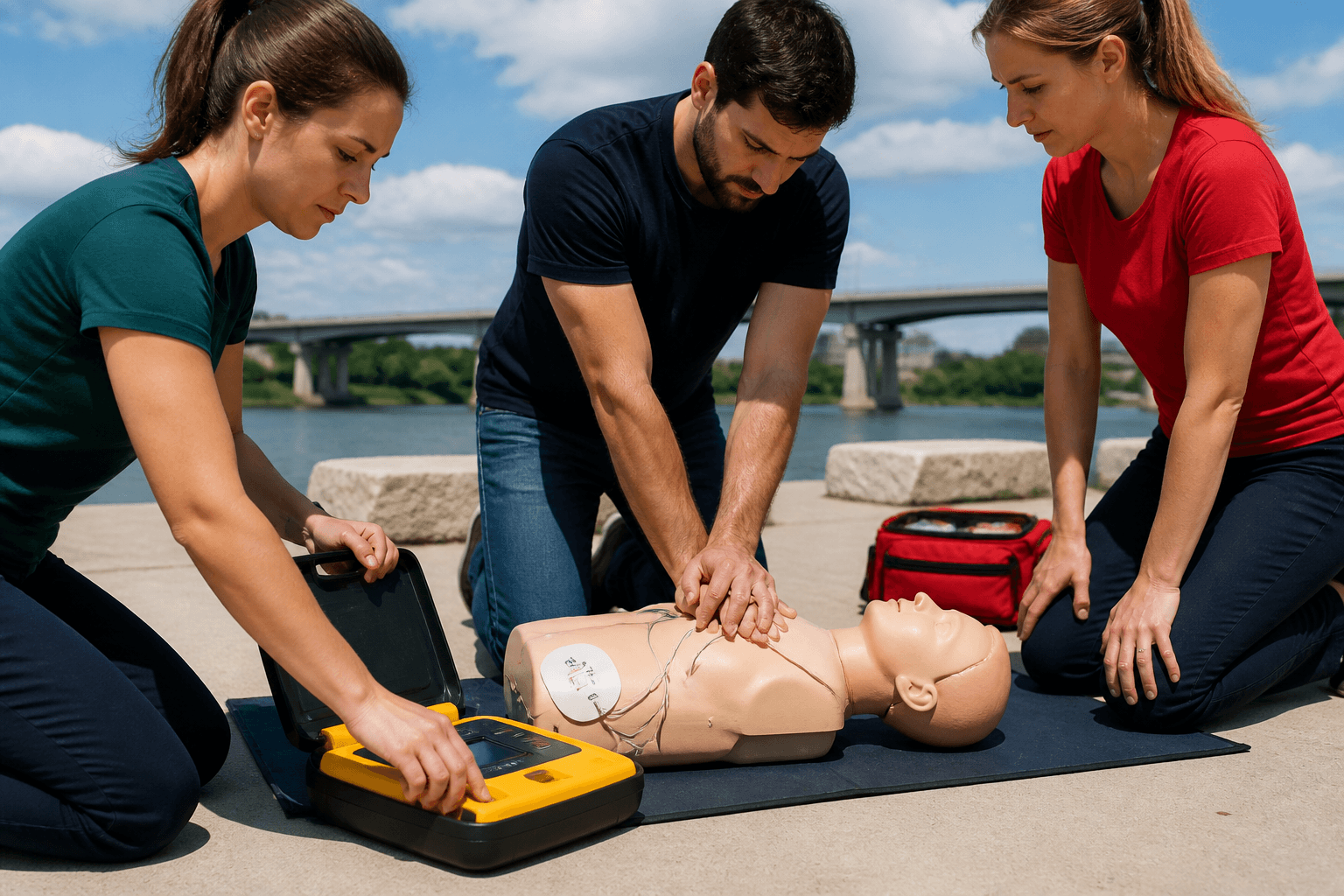
CPR and AED training are designed to work together. CPR helps keep blood moving until advanced care arrives, while an AED can analyze the heart rhythm and deliver a shock if one is needed. In a true emergency, the goal is to start action fast, get help, and use the device as directed.
- Check for responsiveness and normal breathing.
- Call 911 right away and send someone to get the AED.
- Start CPR if the person is unresponsive and not breathing normally.
- Follow the AED prompts exactly.
- Continue until emergency responders take over.
It is also important to know that AEDs are useful in schools, offices, athletic facilities, and public buildings because cardiac arrest can happen anywhere.
This article is for general educational purposes only and is not a substitute for professional medical advice, diagnosis, treatment, or certified CPR training. In an emergency, call 911 immediately.
Who this article is for
This information is helpful for teachers, coaches, nurses, parents, athletic staff, and workplace safety leaders. It is also relevant for anyone in Benbrook who wants to be more prepared for a sudden cardiac emergency. If you manage a school, church, fitness center, or office, review where your AED is stored and make sure several people know how to use it.
Families should also consider how cardiac emergency planning fits into everyday life. Training does not replace professional care, but it can improve confidence and speed when a crisis happens.
Why CPR Certification Labs can help
CPR Certification Labs helps people build practical skills for CPR, AED use, and first aid response. Our training is designed for healthcare professionals and other learners who want clear instruction they can apply in real emergencies. If you are looking for local training support, our San Antonio Medical Center office serves learners from across the region.
You can learn more at San Antonio Medical Center. The office is located at 8554 Huebner Road, Building 2, San Antonio, TX, and is open 6am - 12am - 7 Days a Week.
Local relevance for Benbrook readers
Even though this AED rescue story happened elsewhere, the lesson applies across North Texas. Schools, recreation centers, and workplaces in and near Benbrook benefit when staff members know where the AED is, when to use it, and how to respond before EMS arrives. Nearby facilities, athletic events, and community programs all become safer when emergency response training is taken seriously.
If your team needs a stronger response plan, start with CPR and AED education, then practice how to activate help, retrieve the device, and support the person until professionals arrive. Preparation is what turns a difficult situation into a coordinated response.
Frequently asked questions
What is an AED?
An AED is an automated external defibrillator. It is a portable device that can assess a life-threatening heart rhythm and provide instructions for use during a cardiac emergency.
When should someone call 911?
Call 911 immediately if a person collapses, is unresponsive, or is not breathing normally. Do not wait to see if the situation improves.
Is CPR enough without an AED?
CPR is important, but AED access can be critical when the heart needs defibrillation. The best response often uses both CPR and an AED together.
About our Fort Worth - Benbrook office
- Address: 6100 Southwest Blvd Suite 200
- Phone: (682) 342-1525
- Email: benbrook@cprcertificationlabs.com
- Hours:
Monday – Sunday: 7:00 AM – 8:00 PM