AED training Fort Worth and the value of being ready
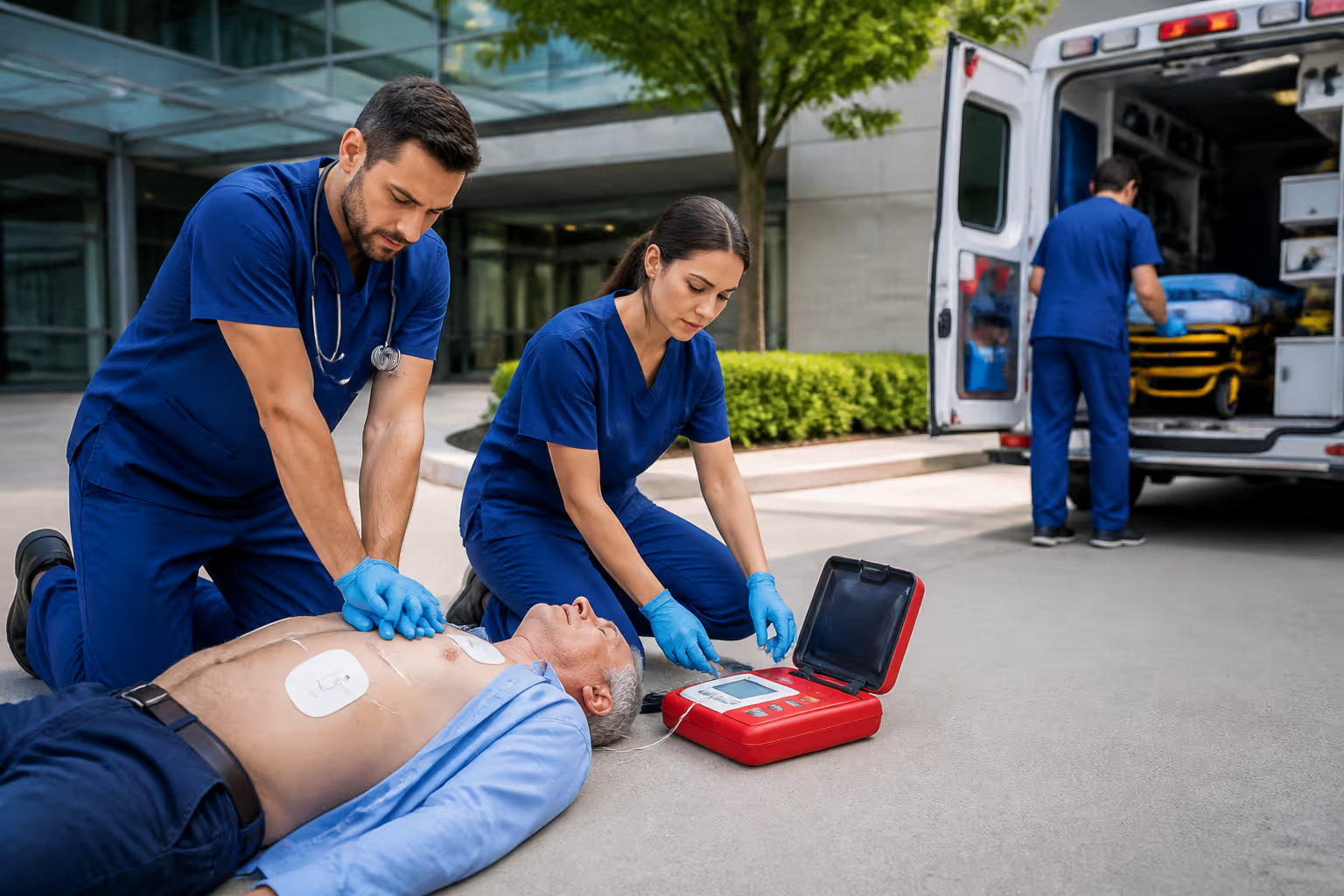
AED training Fort Worth matters because cardiac emergencies can happen without warning, even in young people. A recent school emergency in the Fort Worth area showed how a trained staff, a clear plan, and an automated external defibrillator can make a critical difference before EMS arrives.
When a student suddenly collapsed at school, staff members responded quickly because the campus had already prepared through Project ADAM. That preparation included AED access, emergency planning, and training that helped the team act with confidence. In a sudden cardiac event, those first few minutes matter.
What Project ADAM teaches schools about emergency response
Project ADAM is built around a simple idea: schools should be ready for cardiac arrest the same way they prepare for other emergencies. The program helps schools build Heart Safe environments through CPR, AED, and emergency response training.
In the Fort Worth-area example, the student had experienced a heart-related emergency before, which makes readiness even more important. But the broader lesson is not about one diagnosis. It is about making sure staff know how to recognize collapse, activate the emergency plan, and use an AED right away.
That response is not limited to nurses or athletic trainers. Teachers, coaches, administrators, and support staff all benefit from learning the basics of CPR and AED use. When more adults know what to do, schools can respond faster and more effectively.
Why AED training Fort Worth schools should prioritize
AED training Fort Worth schools should prioritize is practical, not optional. An AED is designed to be used quickly in an emergency, but the device is most effective when people nearby understand where it is located and how to follow the prompts.
Schools that prepare well often build a response plan that includes:
- clear AED placement and access
- CPR and AED trained staff members
- regular emergency drills
- communication steps for calling 911 and guiding responders
- coordination between school staff and emergency medical services
These steps do not replace professional care. They help bridge the gap between collapse and the arrival of EMS.
Who this story is for
This news commentary is for parents, school leaders, nurses, coaches, teachers, and healthcare professionals who want a better understanding of emergency response in schools. It is also useful for anyone in the Fort Worth area who wants to support safer campuses, athletic programs, and youth activities.
Families can use this story as a reminder to ask simple but important questions: Does the school have an AED? Is staff trained in CPR? Is there a practice plan for a cardiac emergency? Those questions can help identify gaps before an emergency happens.
Why CPR, AED, and first aid knowledge matter
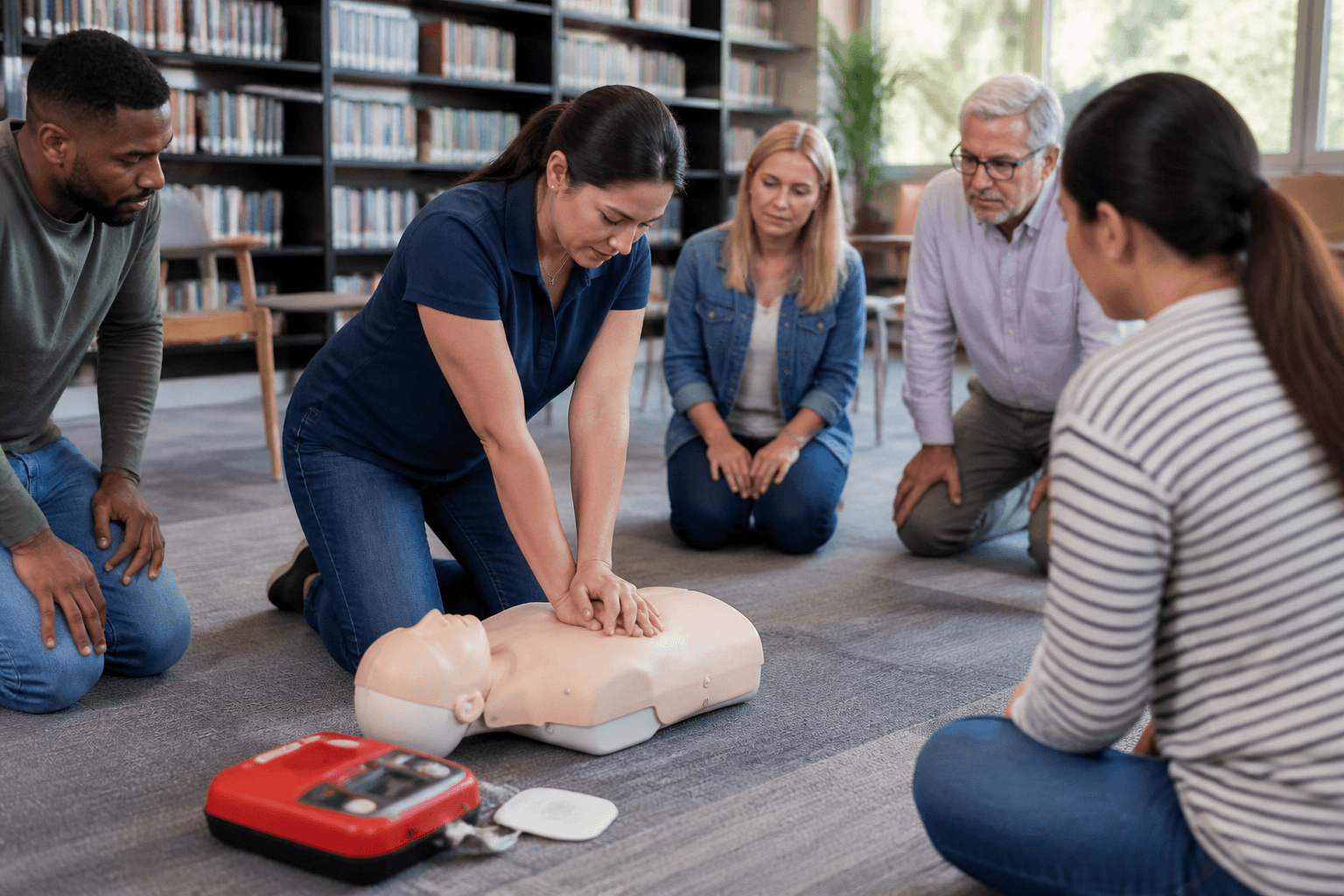
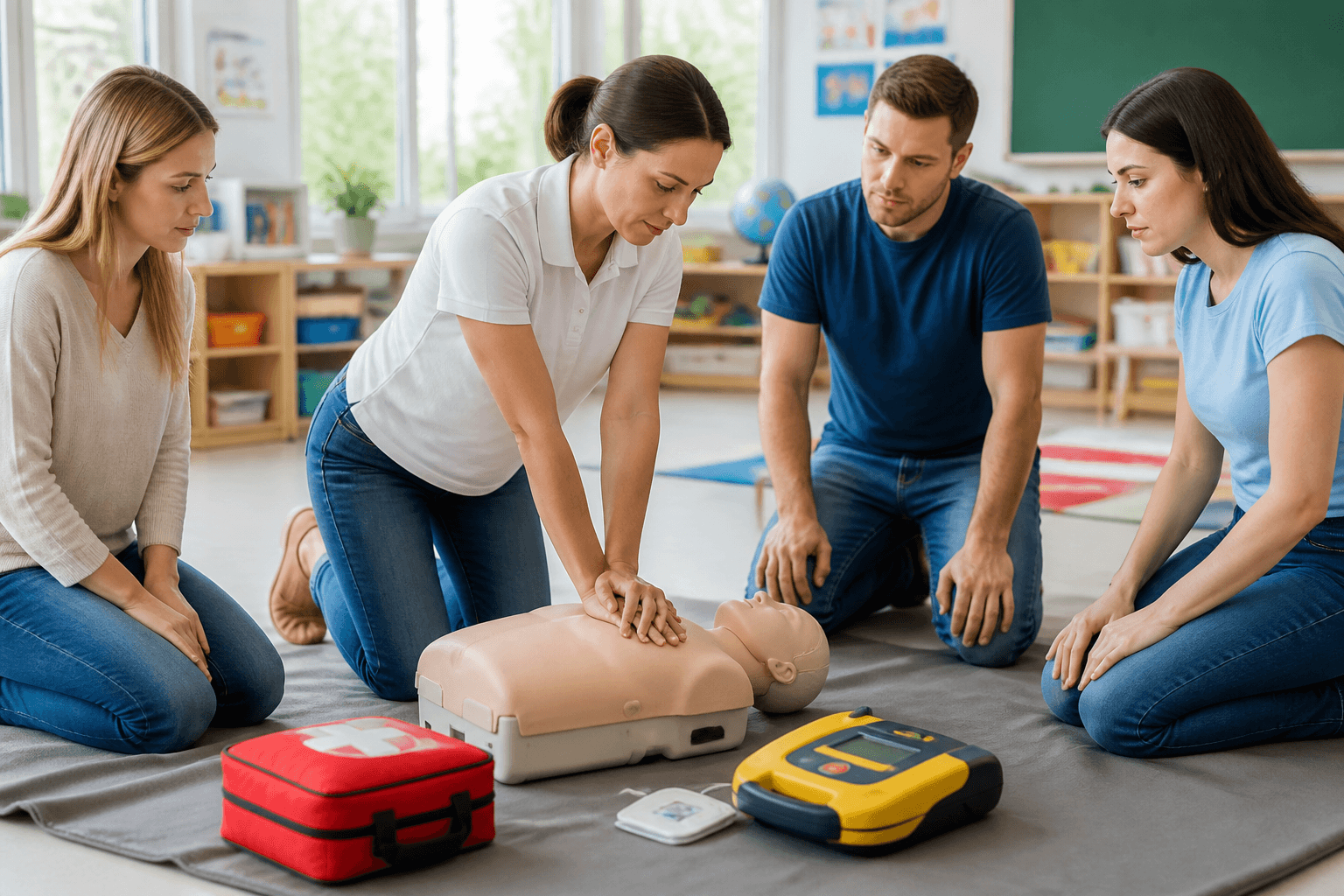
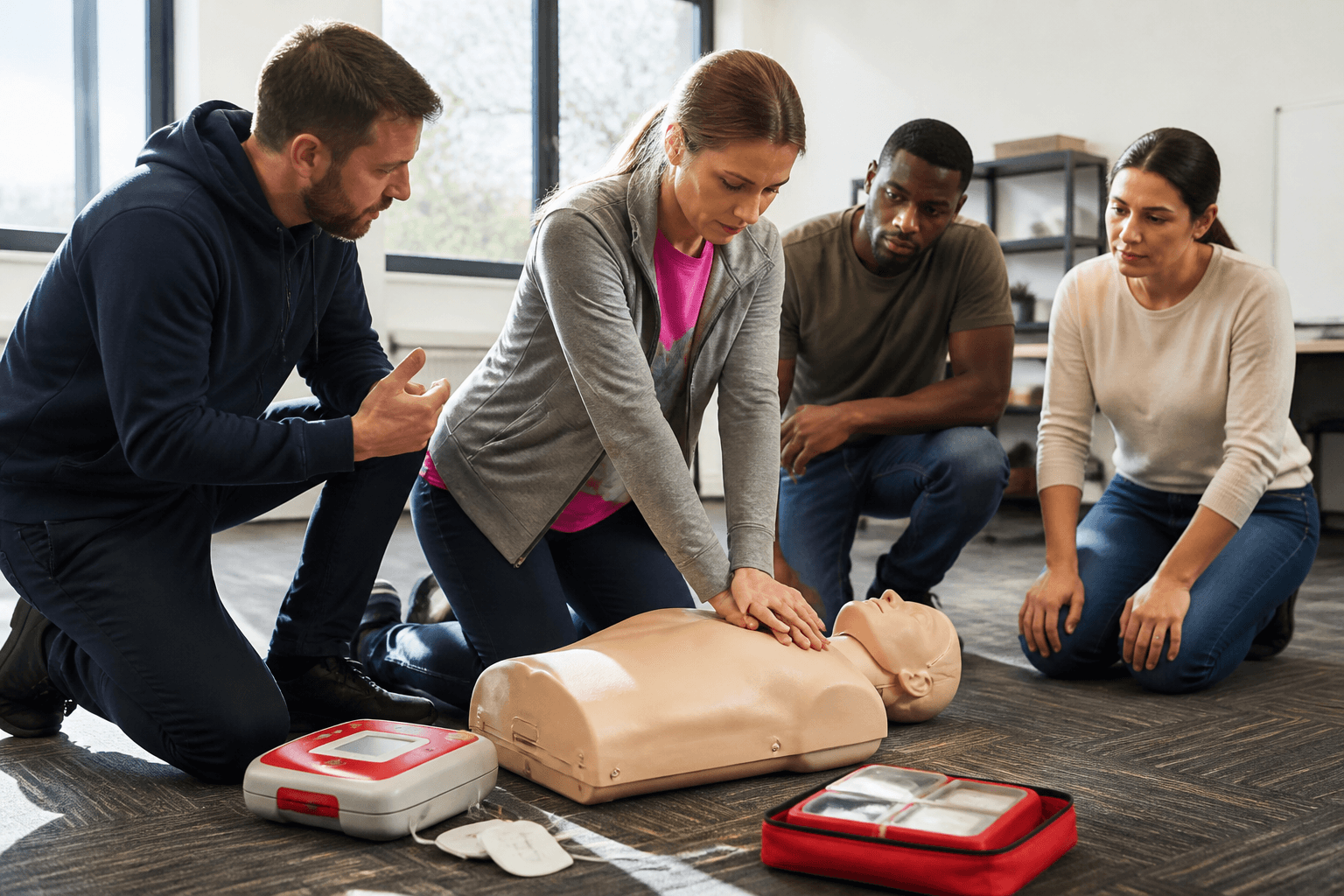
CPR, AED, and first aid training give everyday people the confidence to act while waiting for emergency responders. In a cardiac emergency, hesitation can cost time. Training helps reduce that hesitation and improves coordination.
For healthcare professionals, school staff, and community members, the lesson is consistent: preparedness saves time, and time matters in emergency response. Even when the outcome is positive, the situation is still serious and requires immediate action.
This article is for general educational purposes only and is not a substitute for professional medical advice, diagnosis, treatment, or certified CPR training. In an emergency, call 911 immediately.
Local relevance for Fort Worth and nearby communities
Fort Worth and nearby school districts serve thousands of students, athletes, and staff each day. That makes preparedness essential in classrooms, gyms, hallways, and on playing fields. AED readiness is especially important where young people gather for sports, assemblies, and daily activities.
For readers in North Texas, CPR and AED education can help strengthen the safety net around schools and youth programs. Whether the emergency happens at school, at practice, or during a community event, trained bystanders can play a vital role while waiting for first responders.
What schools can do next
Schools and organizations should review their AED locations, update emergency plans, and train new staff members regularly. Parents can also encourage school leaders to schedule drills and confirm that AEDs are visible, maintained, and easy to reach.
For local training and office information, visit our Oklahoma City North office page to learn more about CPR, AED, and first aid course options.
FAQ
Why is AED training important in schools?
AED training helps staff recognize cardiac emergencies and use the device quickly while waiting for EMS. Fast action can improve emergency response.
Does an AED replace CPR?
No. CPR and AED use work together. CPR helps maintain blood flow, and the AED can help restore a dangerous heart rhythm when needed.
Who should learn CPR and AED skills?
Teachers, coaches, school nurses, administrators, parents, and community members can all benefit from CPR and AED training because emergencies can happen anywhere.
How can parents support school readiness?
Parents can ask whether the school has AEDs, trained staff, and regular drills. Community awareness helps schools stay prepared.
About our Fort Worth office
- Address: 6940 River Park Circle
- Phone: (817) 420-7629
- Email: fortworth@cprcertificationlabs.com
- Hours:
Monday – Sunday: 7am - 8pm