Offer ends October 18.
This is some text inside of a div block.
Restart a Heart BLS Sale
RESTART99
Copy code


Triglycerides are the primary type of fat stored in the body, consisting of three fatty acid molecules bonded to a glycerol molecule. These fats, which serve as a structural foundation for various lipids, originate from both dietary sources and internal production. To accurately assess triglyceride levels, which are affected by recent consumption of fats and alcohol, testing should be conducted after fasting for at least 12 hours. It's recommended to avoid alcohol before testing. High triglyceride levels are a risk factor for atherosclerosis, as they are transported by lipoproteins in the blood that also carry cholesterol, a known cause of artery hardening. Extremely high triglyceride levels (over 500 mg/dL) can trigger pancreatitis, thus requiring active treatment through low-fat diets and medication if necessary. The term "triglyceride" denotes its structure: "tri-" for the three fatty acids and "-glyceride" for the glycerol backbone in many fats.
Our technology delivers immediate, actionable feedback that refines your skills in real time.
Understand how to safely and effectively operate an Automated External Defibrillator (AED) for adults, children, and infants.
Learn how to perform the Heimlich maneuver and clear airway obstructions caused by choking in both adults and infants.
Gain experience working as part of a team when more than one rescuer is available during an emergency.
Receive your AHA CPR Certification E-Card on the same day you complete the class and pass the exam.
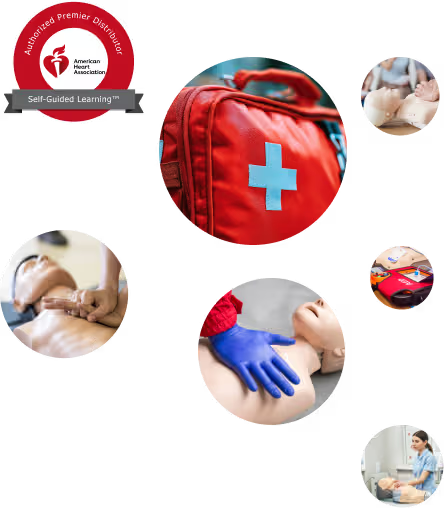

CPR Certification Labs provides professional CPR and emergency training courses based on recognized industry standards.