Offer ends October 18.
This is some text inside of a div block.
Restart a Heart BLS Sale
RESTART99
Copy code

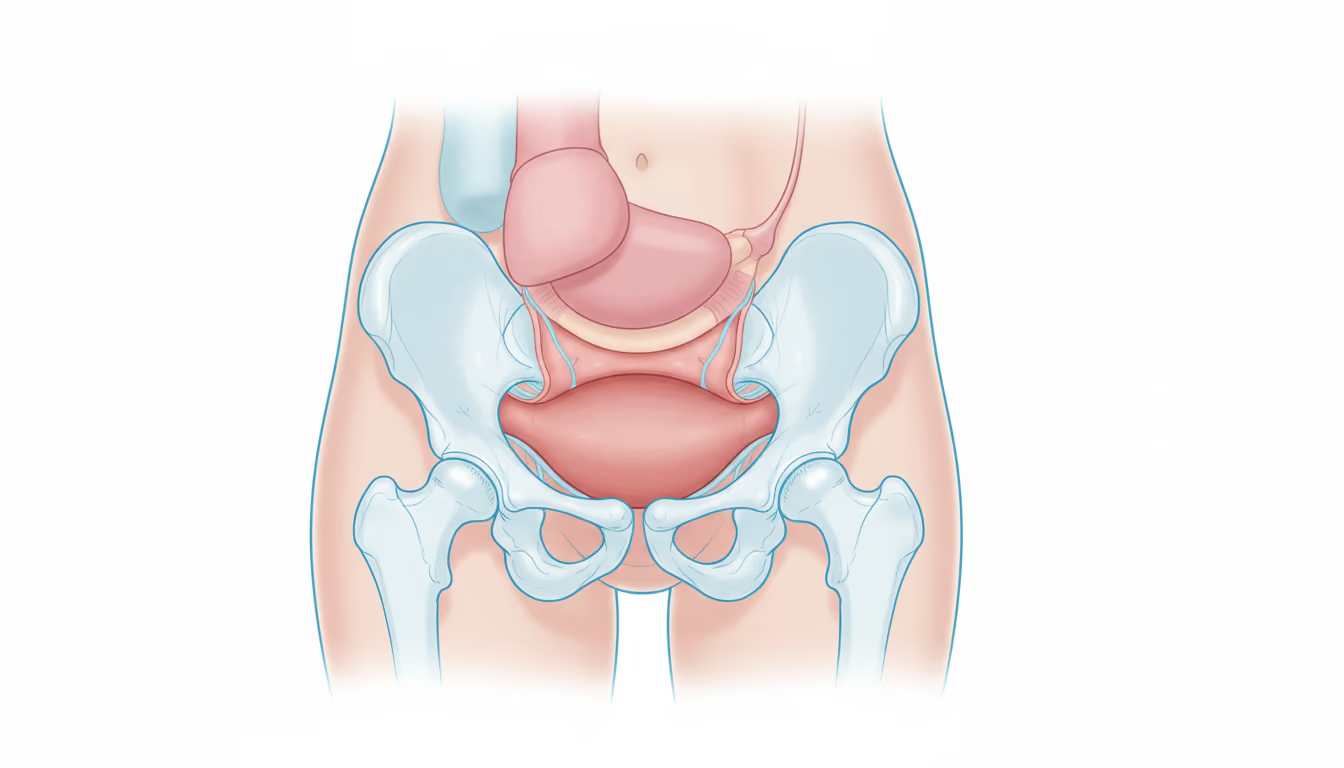
Rectocele, also known as proctocele, occurs when the front wall of the rectum protrudes into the vaginal space. This condition arises from the weakening of support structures and the thinning of the rectovaginal tissues, which separate the rectum from the vagina. Several factors can increase the risk of developing a rectocele, including a history of multiple or challenging deliveries, the use of forceps or other assisted delivery methods, perineal tears, an episiotomy extending into the rectum or anal sphincter muscles, undergoing a hysterectomy, and experiencing constipation or straining during bowel movements.Rectoceles often do not cause symptoms, but when they do, they can manifest as either vaginal or rectal issues. Vaginal symptoms might include a bulging sensation, feeling a mass within the vagina, pain during intercourse, or something protruding from the vagina that may become irritated. On the other hand, rectal symptoms can involve constipation, difficulty with bowel movements, and a frequent urge to defecate.Treatment for a rectocele is recommended only if it leads to significant discomfort or symptoms. Options for treatment can be either medical or surgical. Medical approaches include adopting a high-fiber diet and ensuring adequate fluid intake to prevent constipation, using stool softeners, and employing a pessary in the vagina to support pelvic organs. Surgical intervention aims to repair the rectocele.
Our technology delivers immediate, actionable feedback that refines your skills in real time.
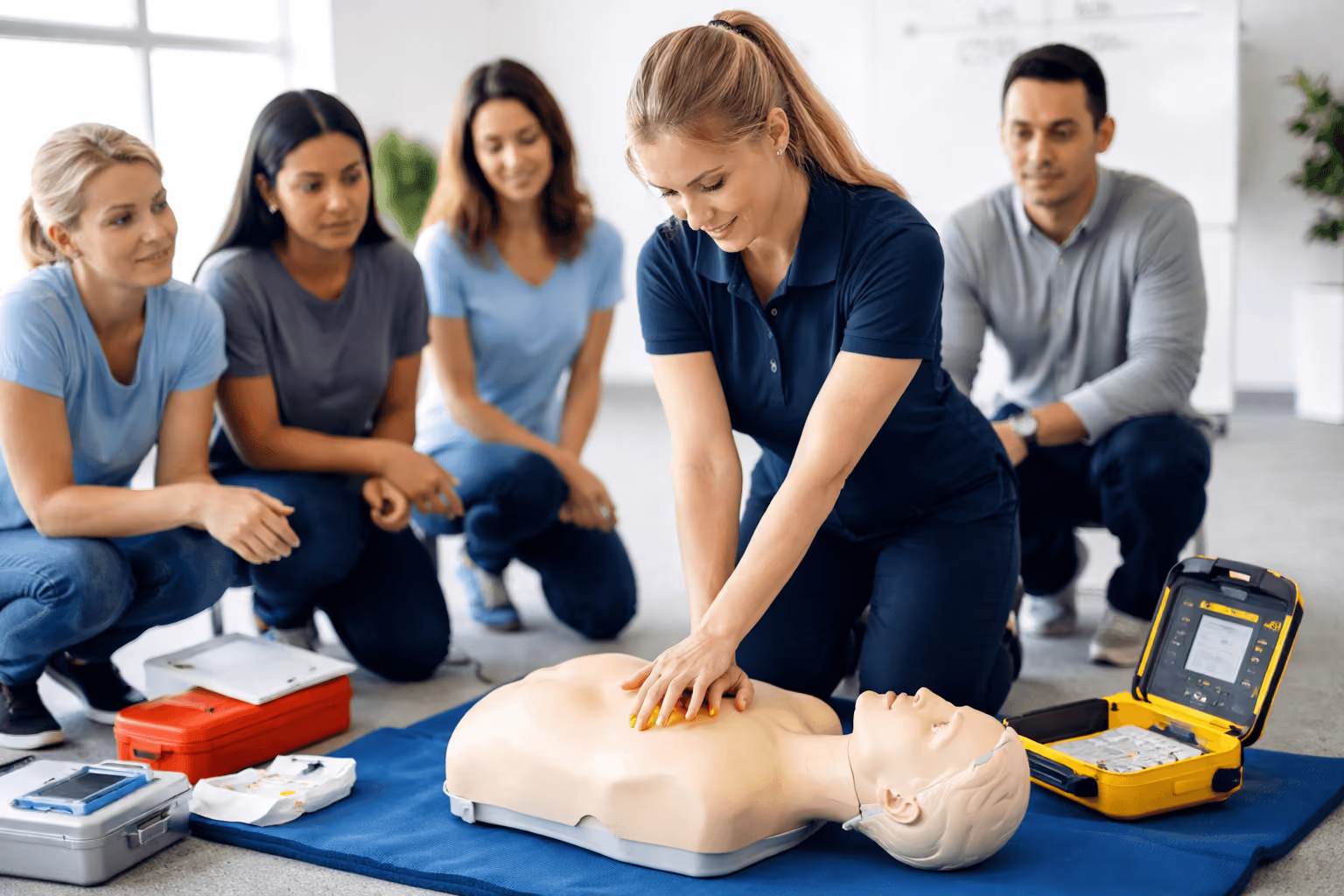
Understand how to safely and effectively operate an Automated External Defibrillator (AED) for adults, children, and infants.
Learn how to perform the Heimlich maneuver and clear airway obstructions caused by choking in both adults and infants.
Gain experience working as part of a team when more than one rescuer is available during an emergency.
Receive your AHA CPR Certification E-Card on the same day you complete the class and pass the exam.

CPR Certification Labs provides professional CPR and emergency training courses based on recognized industry standards.