Offer ends October 18.
This is some text inside of a div block.
Restart a Heart BLS Sale
RESTART99
Copy code

Radiotherapy involves using ionizing radiation to treat diseases, commonly referred to as radiation therapy. In this approach, high-energy rays target cancer cells, aiming to damage them and inhibit their growth and division. A medical professional specializing in radiation treatment for cancer is known as a radiation oncologist. Similar to surgical procedures, radiation therapy is localized, affecting only the cancer cells in the specific area being treated. Radiation can be administered externally from a machine or internally through an implant containing radioactive material placed near or into the tumor. Some patients may undergo both external and internal radiation therapies.External radiation therapy is typically conducted on an outpatient basis at a hospital or clinic, often for five days a week over several weeks. Patients are not radioactive during or after these treatments. Internal radiation therapy generally requires a short hospital stay. The radiation implant can be temporary or permanent, with the highest radiation levels occurring during the hospital stay. Consequently, patient visitation may be limited. Once an implant is removed, the body no longer remains radioactive. For permanent implants, the radiation decreases to a safe level before the patient is discharged.Side effects of radiation therapy vary depending on the dosage and the body part treated. Common side effects include fatigue, skin reactions like rashes or redness in the treated area, and decreased appetite. Radiation therapy may also result in a reduced white blood cell count, which can affect the body's infection-fighting capability. While these side effects can be uncomfortable, they are usually manageable and often not lasting.
Our technology delivers immediate, actionable feedback that refines your skills in real time.
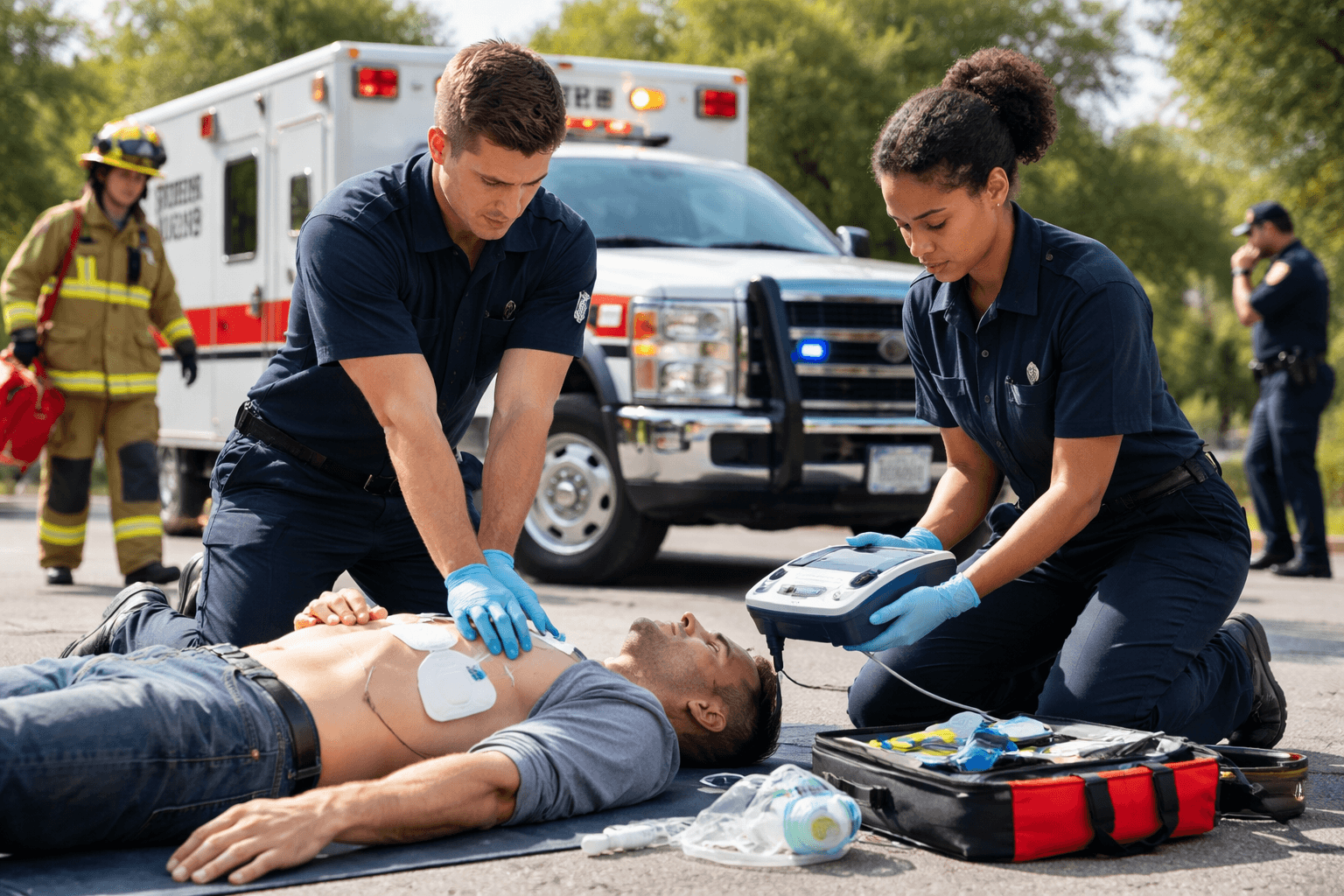
Understand how to safely and effectively operate an Automated External Defibrillator (AED) for adults, children, and infants.
Learn how to perform the Heimlich maneuver and clear airway obstructions caused by choking in both adults and infants.
Gain experience working as part of a team when more than one rescuer is available during an emergency.
Receive your AHA CPR Certification E-Card on the same day you complete the class and pass the exam.

CPR Certification Labs provides professional CPR and emergency training courses based on recognized industry standards.