Offer ends October 18.
This is some text inside of a div block.
Restart a Heart BLS Sale
RESTART99
Copy code

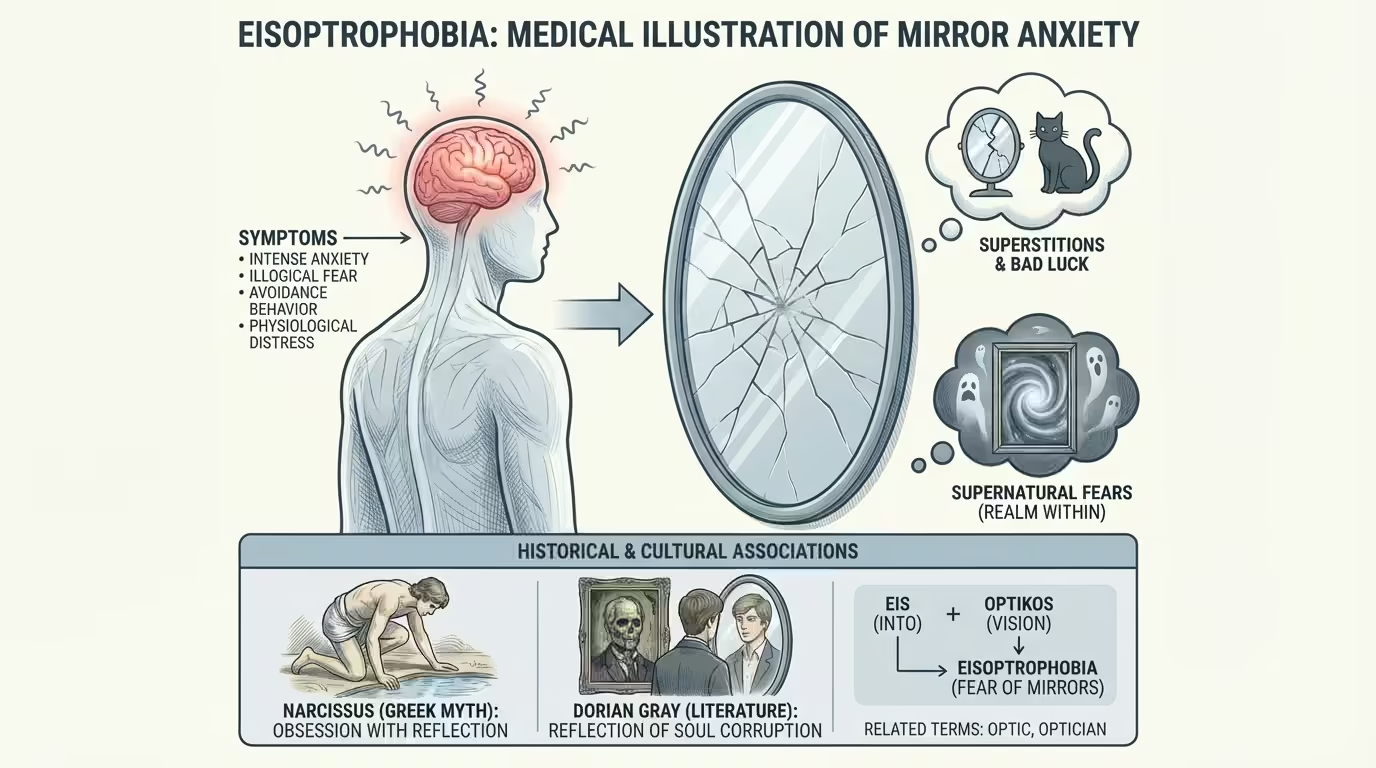
Eisoptrophobia is defined as an intense and ongoing fear of mirrors. Individuals who suffer from this phobia experience significant anxiety despite being aware that their fear is not logical. Often rooted in superstitions, these individuals might be concerned that breaking a mirror could lead to bad luck, or that gazing into a mirror might expose them to a supernatural realm within the glass.Throughout history, mirrors and reflective surfaces have been linked to the mysterious and the unusual. In Greek mythology, for instance, Narcissus became enamored with his own reflection in the water, mistaking it for a beautiful nymph. His inability to connect with this image led to his demise, and he was ultimately transformed into a flower. Similarly, in Oscar Wilde's novel, "The Picture of Dorian Gray," a portrait of a young man begins to decay, mirroring the corruption of his soul. This reflection of his inner self drives him to commit both murder and suicide.The term "eisoptrophobia" originates from the Greek words "eis" (meaning "into") and "optikos" (meaning "vision, image, sight"). Other English words that stem from "optikos" include "optic," which pertains to vision, and "optician," a professional who crafts eyeglasses based on a prescription.
Our technology delivers immediate, actionable feedback that refines your skills in real time.
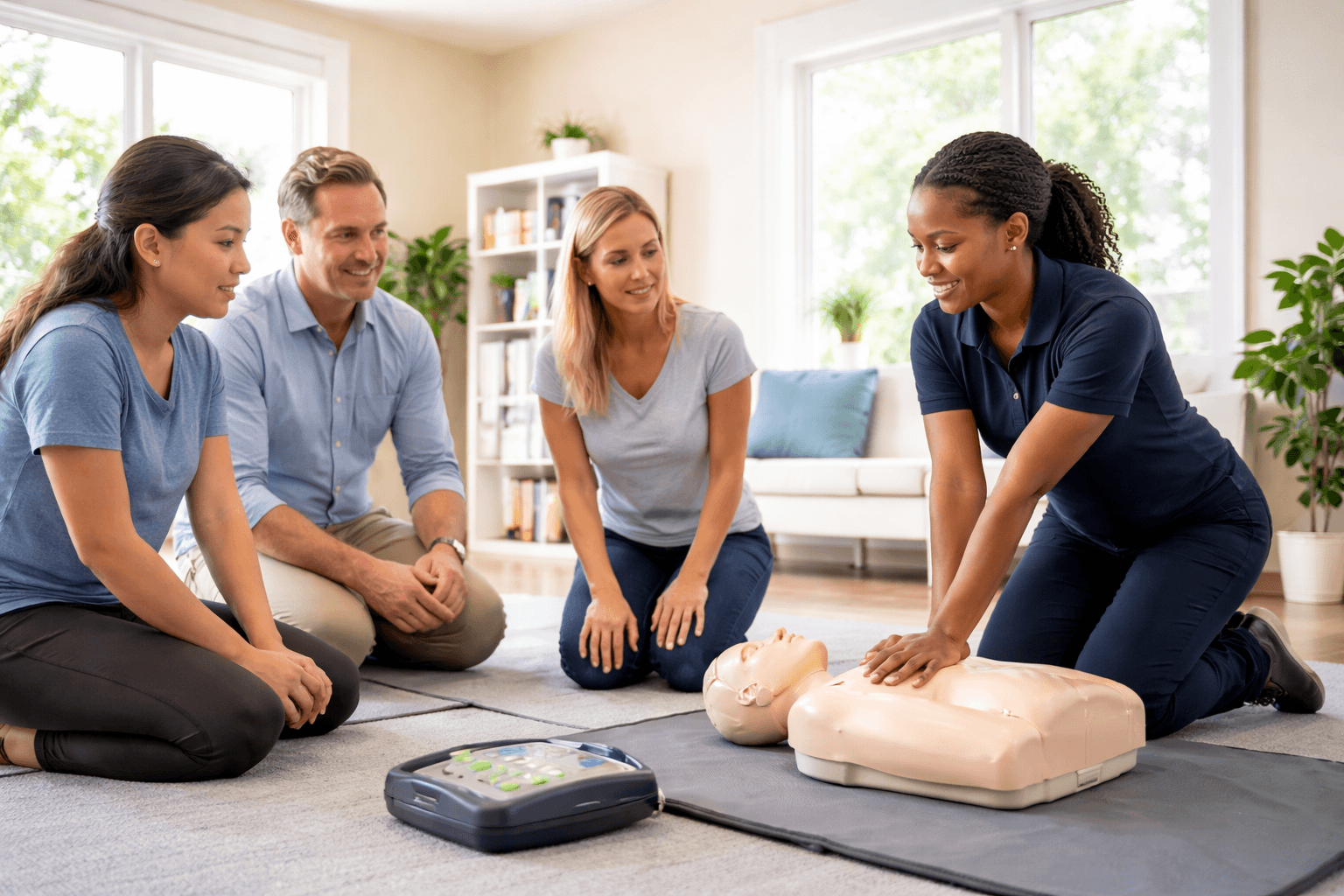
Understand how to safely and effectively operate an Automated External Defibrillator (AED) for adults, children, and infants.
Learn how to perform the Heimlich maneuver and clear airway obstructions caused by choking in both adults and infants.
Gain experience working as part of a team when more than one rescuer is available during an emergency.
Receive your AHA CPR Certification E-Card on the same day you complete the class and pass the exam.

CPR Certification Labs provides professional CPR and emergency training courses based on recognized industry standards.