Offer ends October 18.
This is some text inside of a div block.
Restart a Heart BLS Sale
RESTART99
Copy code

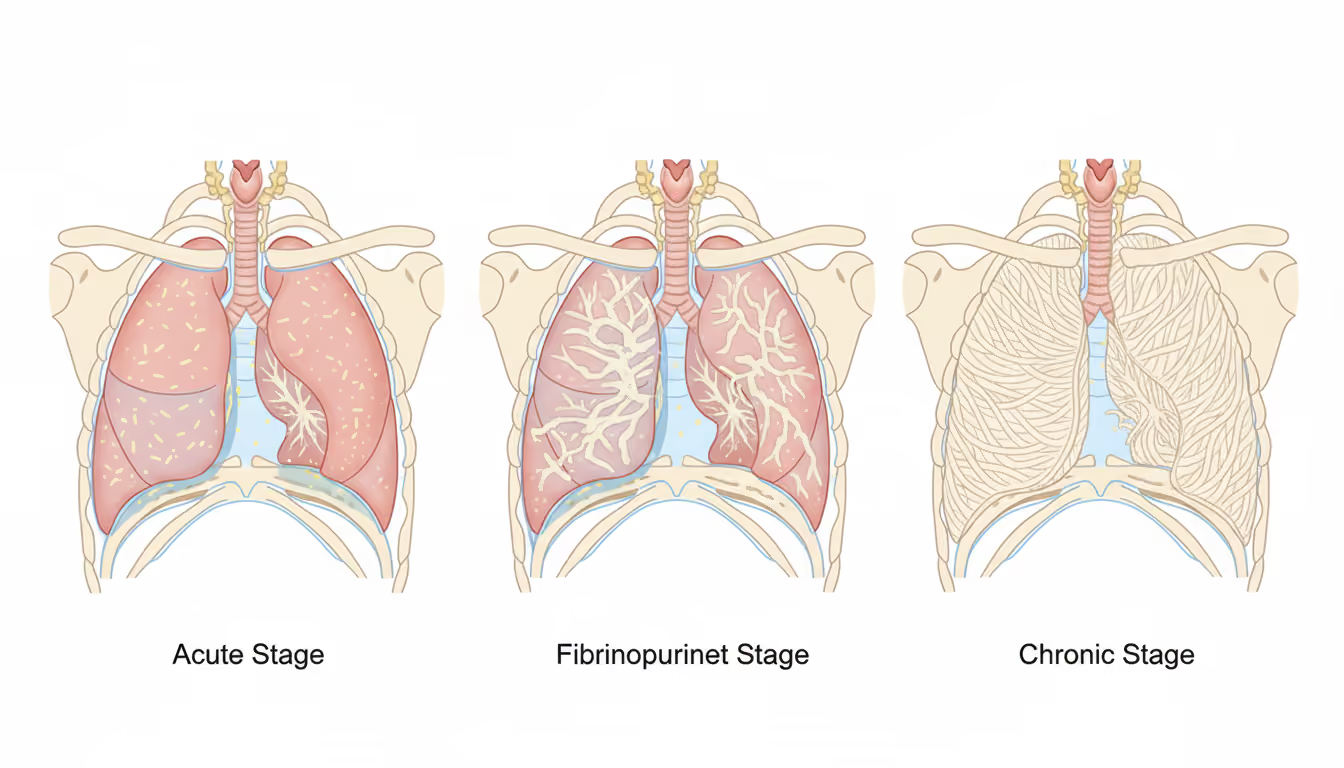
Empyema is a medical condition characterized by the accumulation of pus and fluid from infected tissue within a body cavity. The term originates from the Greek word "empyein," which means to produce pus. While empyema typically describes pus collections in the pleural space around the lungs, it can also refer to similar accumulations in the gallbladder or other cavities. There are various causes of empyema, though it is most commonly a complication of pneumonia. The condition progresses through three stages: initially, there is an acute phase where the body cavity fills with a thin fluid that contains some pus; this is followed by a second phase where the fluid becomes thicker and fibrous protein (fibrin) begins to gather within the cavity. The final, chronic stage involves the lung or affected organ becoming encased in a dense layer of fibrous tissue.
Our technology delivers immediate, actionable feedback that refines your skills in real time.
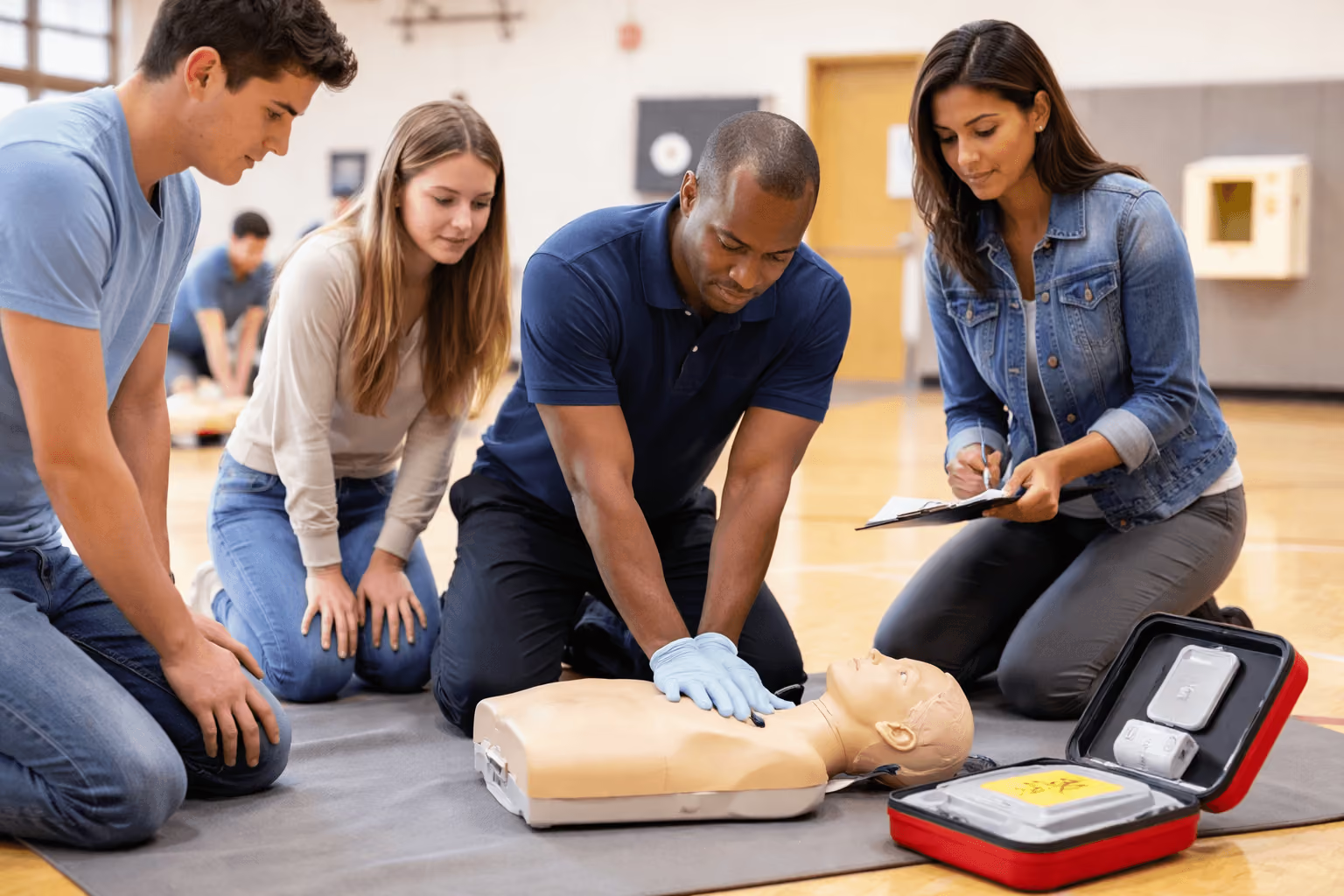
Understand how to safely and effectively operate an Automated External Defibrillator (AED) for adults, children, and infants.
Learn how to perform the Heimlich maneuver and clear airway obstructions caused by choking in both adults and infants.
Gain experience working as part of a team when more than one rescuer is available during an emergency.
Receive your AHA CPR Certification E-Card on the same day you complete the class and pass the exam.

CPR Certification Labs provides professional CPR and emergency training courses based on recognized industry standards.