Offer ends October 18.
This is some text inside of a div block.
Restart a Heart BLS Sale
RESTART99
Copy code

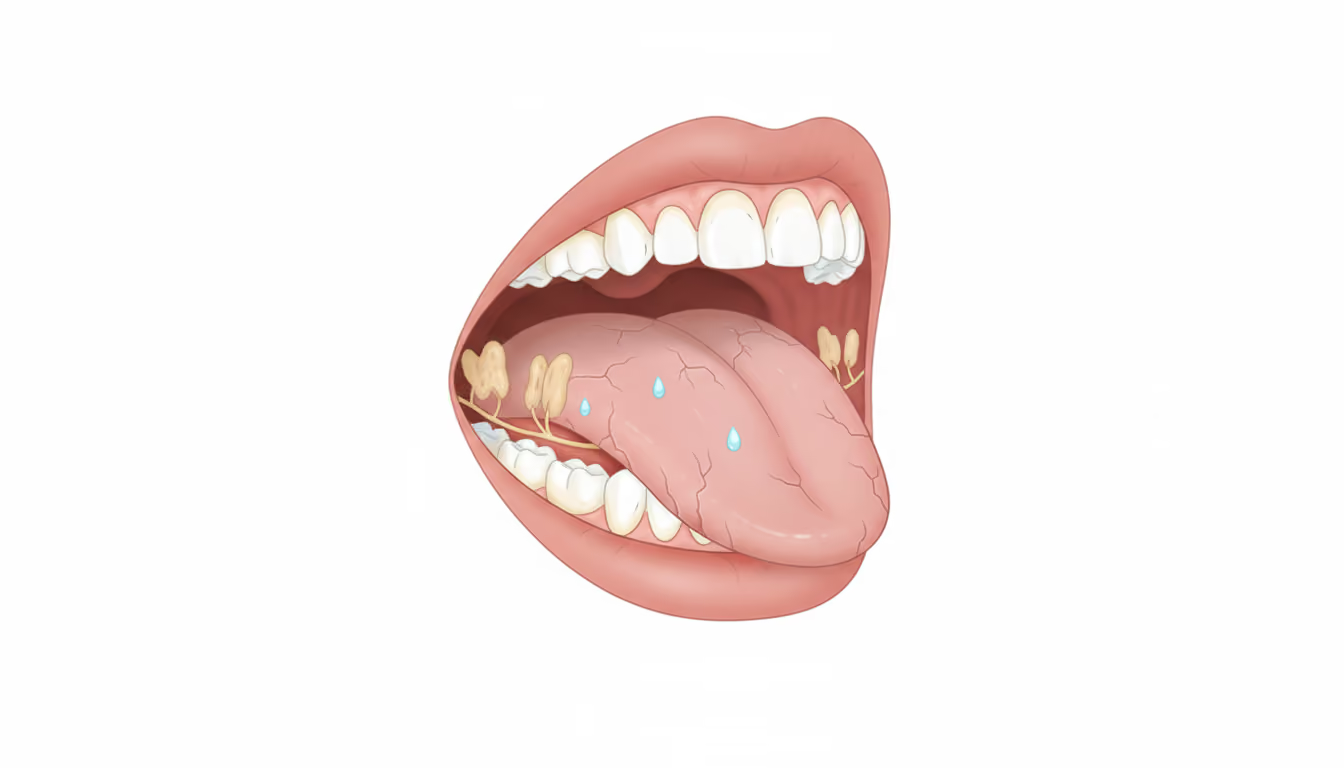
Dry mouth occurs when there isn't enough moisture to keep the mouth adequately wet, usually because the salivary glands aren't functioning properly. Occasionally, everyone experiences dry mouth when they feel nervous, upset, or stressed. However, if someone frequently has a dry mouth, it can be uncomfortable and potentially lead to significant health issues. It can make tasting, chewing, swallowing, and speaking difficult. If left untreated, persistent dry mouth might increase the risk of tooth decay and oral infections. It is not a typical aspect of aging and could indicate underlying systemic conditions like Sjogren's syndrome. Additionally, certain medications can contribute to dry mouth. Medically, this condition is known as xerostomia, derived from the Greek words "xeros" for dry and "stoma" for mouth.
Our technology delivers immediate, actionable feedback that refines your skills in real time.
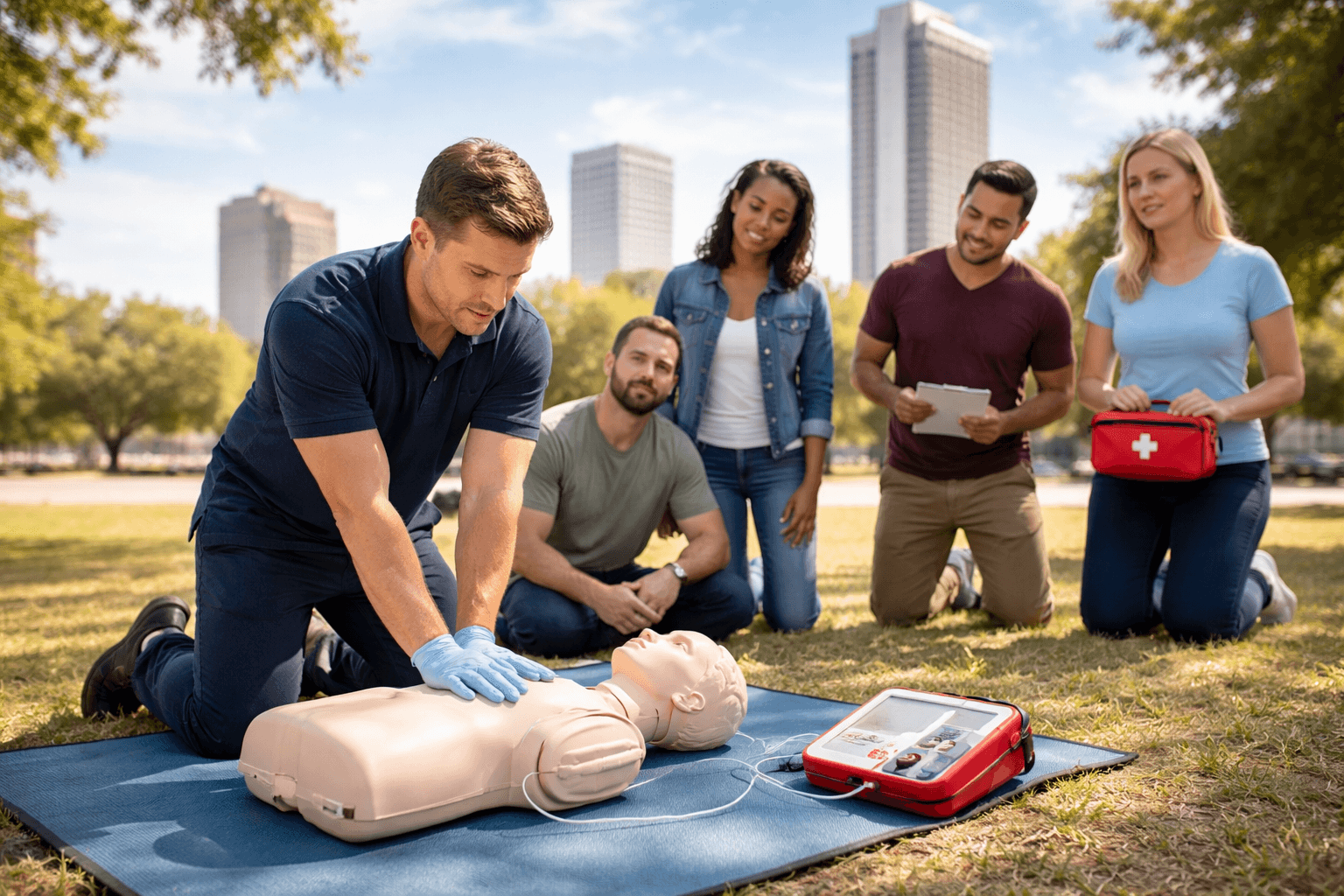
Understand how to safely and effectively operate an Automated External Defibrillator (AED) for adults, children, and infants.
Learn how to perform the Heimlich maneuver and clear airway obstructions caused by choking in both adults and infants.
Gain experience working as part of a team when more than one rescuer is available during an emergency.
Receive your AHA CPR Certification E-Card on the same day you complete the class and pass the exam.

CPR Certification Labs provides professional CPR and emergency training courses based on recognized industry standards.