Offer ends October 18.
This is some text inside of a div block.
Restart a Heart BLS Sale
RESTART99
Copy code

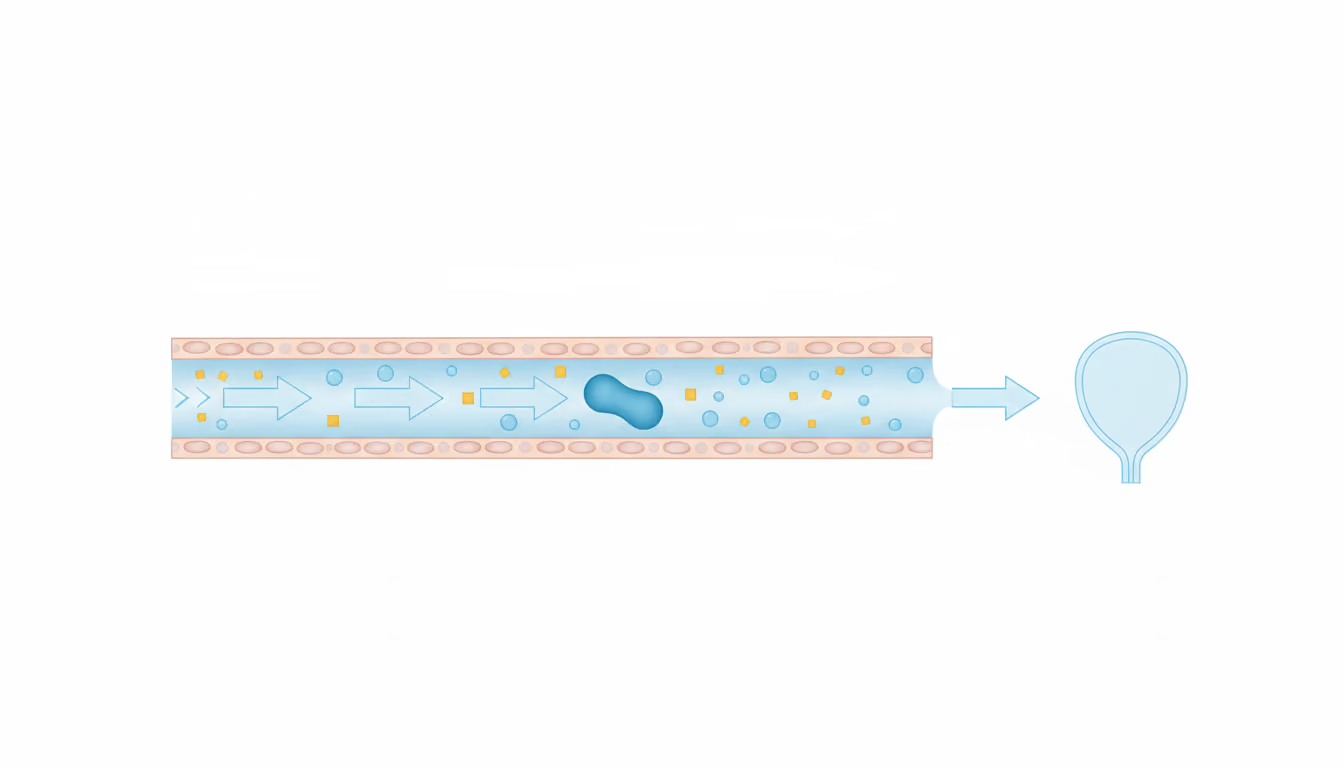
Diuretic:A diuretic is a substance that stimulates the kidneys to produce more urine. While all diuretics lead to increased water loss, they achieve this through various mechanisms. Some work by preventing the kidneys from reabsorbing sodium, which in turn increases the excretion of both sodium and water in the urine (loop diuretics). Others, like thiazide diuretics, promote the elimination of sodium and chloride, causing water to be expelled along with them. Potassium-sparing diuretics inhibit the exchange of sodium with other ions, resulting in sodium and potassium excretion with minimal potassium loss. Some diuretics operate through additional processes and may also be used for other medical purposes, such as managing certain conditions. Commonly referred to as water pills, diuretics can also include natural substances found in food and beverages, like coffee, tea, and alcohol.
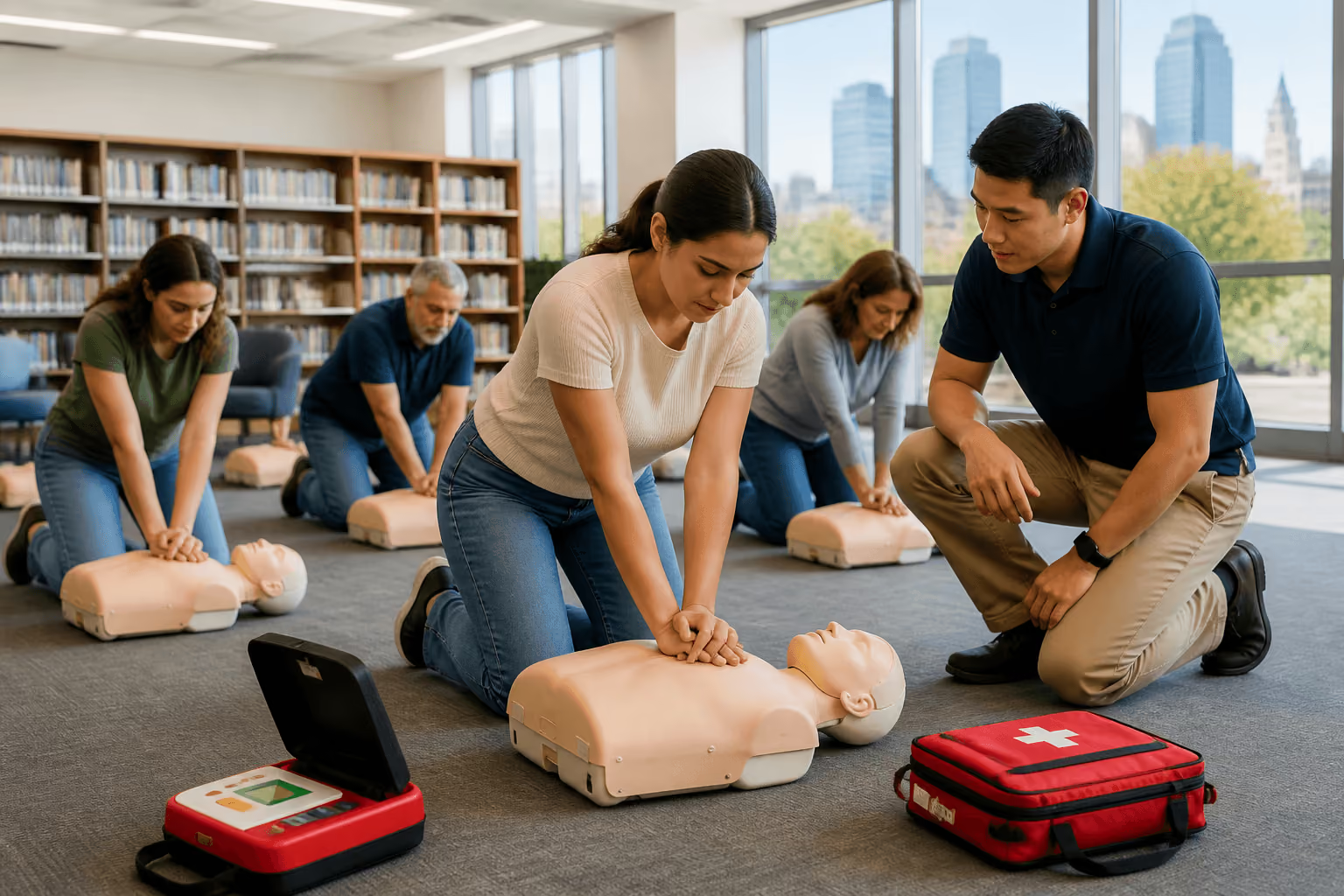
Our technology delivers immediate, actionable feedback that refines your skills in real time.
Understand how to safely and effectively operate an Automated External Defibrillator (AED) for adults, children, and infants.
Learn how to perform the Heimlich maneuver and clear airway obstructions caused by choking in both adults and infants.
Gain experience working as part of a team when more than one rescuer is available during an emergency.
Receive your AHA CPR Certification E-Card on the same day you complete the class and pass the exam.

CPR Certification Labs provides professional CPR and emergency training courses based on recognized industry standards.